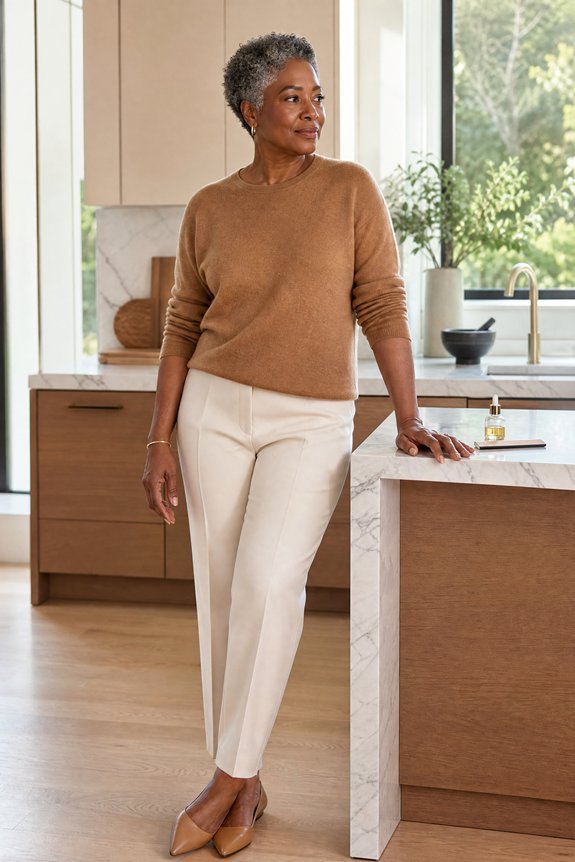
Why Do Nails Become More Brittle After 50—and What Actually Helps?
Your nails often grow slower after 50, and that shift can affect everything else. The nail plate may thin, natural oils can decrease, and years of polish remover may catch up with you. Hormonal changes and other health factors can play a role too, though this varies from person to person. We’ll break down what’s commonly happening and what actually helps.
Key Takeaways
- Nail growth slows after 50, reducing natural oils and moisture, which leads to brittleness, splitting, and duller appearance over time.
- Declining estrogen reduces keratin production, causing thinner, drier nails; perimenopause can trigger these changes before periods even stop.
- Thyroid disease, iron deficiency, and poor circulation can worsen brittle nails, making medical screening worthwhile if changes appear suddenly.
- Everyday habits like frequent hand washing, acetone removers, and using nails as tools significantly accelerate brittleness and damage.
- Consistent moisturizing after washing, wearing gloves for cleaning, gentle filing, and shorter nail length provide the most practical relief.
What Actually Happens to Your Nails After 50

After 50, nails often start behaving differently — and it can be genuinely frustrating.
For many women, nail growth slows somewhat, which means any damage or changes tend to stick around longer before growing out.
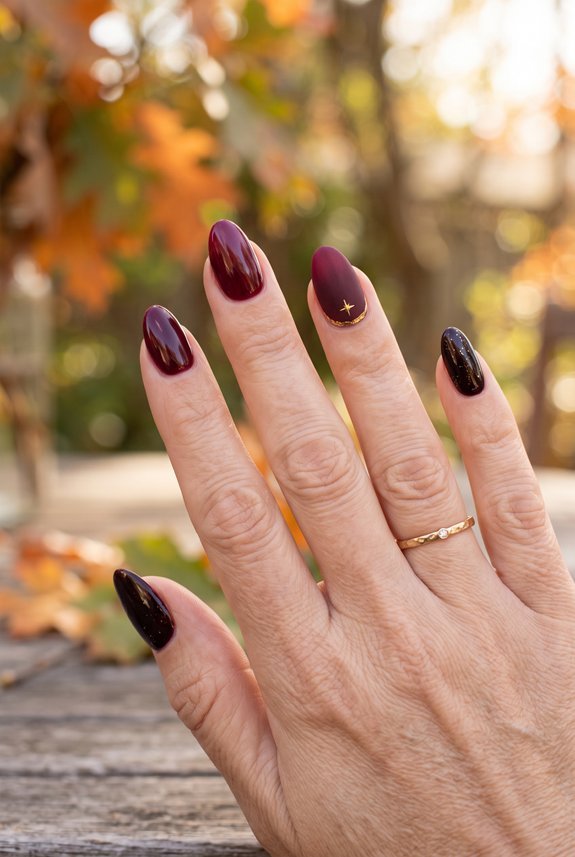
Structural changes are common too: ridges running the length of the nail, brittleness, splitting, and a duller, less translucent look that buffing doesn’t fully fix.
Toenails may thicken and harden, while fingernails are more prone to flaking and cracking.
Not everyone experiences these changes the same way, or at the same pace — genetics, health conditions, and daily habits all play a role.
But in general, these shifts aren’t a sign that something’s wrong.
They’re a normal part of how nails age. In fact, research has found that prominent longitudinal ridges appear in as many as 85% of elderly individuals examined.
Understanding that before you start chasing fixes can save you time, money, and frustration.
Why Menopause Makes Brittle Nails Worse
Menopause doesn’t just change how we feel — it can also change the condition of our nails. As estrogen drops, many women notice their nails becoming thinner, drier, or more prone to splitting. This isn’t universal, and the degree varies from person to person, but it’s a common enough shift that’s worth understanding.
Perimenopause can start this process before periods even stop, so you might notice nail changes years before menopause is “official.” Just as a trichologist can assess hormonal causes behind hair thinning, a doctor can help investigate whether hormonal shifts are driving unusually severe or rapid nail changes.
Some women look into hormone replacement therapy to address hormonal changes more broadly, and that’s a conversation worth having with your doctor if you’re curious whether it’s right for you.
In the meantime, consistent cuticle care can help. Keeping the skin around your nails moisturized and intact supports healthier-looking nails and may reduce splitting, though results will vary depending on your individual nails and routine.
Estrogen supports keratin production, the protein that forms the structural foundation of your nails, which is why declining levels can leave nails more fragile and prone to breaking.
Health Conditions That Make Brittle Nails Worse After 50
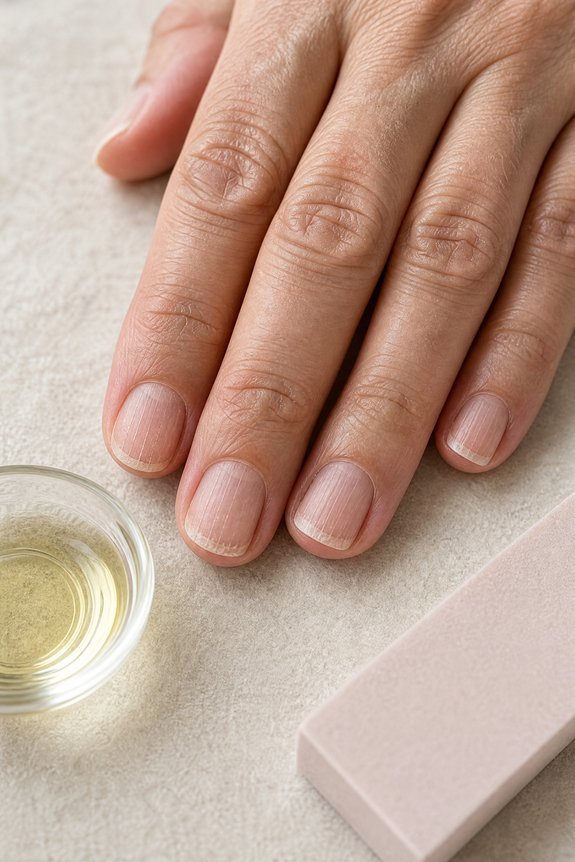
Sometimes brittle nails aren’t just about age or hormones — they can be a sign that something else is going on. Thyroid disease, diabetes, and iron deficiency anemia are common after 50 and are easy to miss. Menopausal hormonal shifts that reduce estrogen may also affect keratin production, making nails more prone to brittleness.
Poor circulation — from conditions like Raynaud’s or peripheral artery disease — can limit oxygen to the nail bed, which may lead to thinner, more fragile nails.
Not every woman will experience these changes, and nail issues can have many different causes. Still, it’s worth paying attention to sudden changes. If your nails start splitting more than usual, it may be worth asking your doctor about screening for iron, zinc, or thyroid levels.
Catching a deficiency or imbalance early can help — not just for your nails, but for your overall health. Underlying systemic conditions such as arteriosclerosis and metabolic or endocrine diseases can contribute to longitudinal splitting and ridging of the nail plate by disrupting normal epithelial growth and keratinization.
Everyday Habits That Are Making Your Nails More Brittle
Health conditions and hormones can affect nail strength, but some nail damage comes from everyday habits that are easy to overlook. Frequent contact with detergents, hand sanitizers, and acetone-based polish removers can dry out nails and weaken them over time. Using your nails as tools—prying, scraping, or picking at them—can also lead to cracks and breaks. Just as websites rely on functional cookies to carry out necessary communications and remember your preferences, your nails rely on consistent care to maintain their strength and flexibility.
| Habit | Possible Effect | Simple Fix |
|---|---|---|
| Frequent hand washing | Dryness, brittleness | Wear gloves for dishes or cleaning |
| Gel manicures | Weaker, thinner nails after repeated removal | Take breaks between gel applications |
| Using nails as tools | Cracks, splits, breaks | Keep a small tool handy instead |
Nail strength can change with age for some people, but habits like these can make a noticeable difference no matter how old you are. Applying cuticle oil regularly helps maintain moisture and flexibility in the nail bed, which can offset some of the damage caused by daily wear and tear.
Do Biotin and Nail Supplements Actually Work?

Biotin is often the first thing people reach for when nails start splitting or peeling—it’s stocked in every pharmacy, and the packaging tends to promise a lot.
A little skepticism is reasonable here. The research on biotin for nail health is limited, and much of it doesn’t hold up well under close scrutiny. If you have an actual biotin deficiency, supplementing may help reduce breakage, but if you’re already eating a varied diet, it’s unlikely to make a noticeable difference.
Multinutrient nail formulas that combine biotin with collagen, silica, or other minerals make it even harder to know what, if anything, is actually helping. It’s also worth knowing that supplements in the U.S. aren’t regulated the way medications are, so a label full of promises doesn’t guarantee results.
Keeping expectations realistic and focusing on habits with clearer benefits—like protecting nails from harsh chemicals or excess moisture—is generally a more reliable approach. Biotin is found naturally in foods like nuts, legumes, whole grains, and egg yolk, meaning most people consuming a varied diet are already meeting their daily needs without supplementation.
Moisturizing Habits That Actually Help Brittle Nails
Moisturizing sounds almost too simple to be worth discussing, but the way most of us actually do it—a quick pump of thin lotion sometime after our hands have already dried out—doesn’t give nails much to work with. Timing and texture both matter here.
- Apply moisturizer within minutes of washing, while skin is still damp
- Choose thick creams, balms, or ointments with lanolin or petrolatum
- Massage product into the nail plate, edges, and cuticle—not just your palms
- Try a nightly cuticle massage with ointment, then cover hands with cotton gloves; many people find this helps hydration last longer overnight
- Doing this daily tends to work better than occasional intensive treatments, though results can vary from person to person
Filing, Polish, and Manicure Habits That Help or Hurt Aging Nails
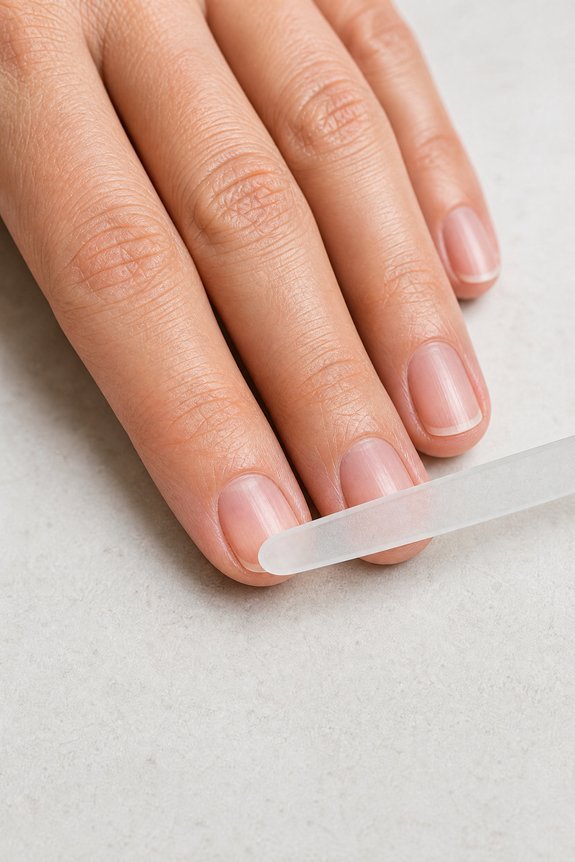
What we put on our nails—and how we remove it—can affect their health more than people often realize. Acetone removers can dry out the nail and surrounding skin, and frequent manicures may thin the nail plate over time, though this varies depending on your nails and how often you get them done.
Taking breaks from polish can give your nails a chance to recover, especially if they’re feeling brittle or thin. When you do file, filing gently in one direction is easier on the nail than sawing back and forth.
Buffing beyond light ridge smoothing can also wear down the nail surface, so it’s worth keeping to a minimum. If your nails are catching on things, keeping them a bit shorter can help prevent snags and breaks, and sharp clippers tend to give a cleaner cut than dull ones.
A simpler routine, done with care, is often gentler on your nails than a more involved one done roughly—though what works best can depend on your individual nails.
When Brittle Nails Require a Doctor’s Attention
Most of the time, brittle nails are a nuisance, not a medical crisis—but some changes are worth taking seriously. When symptoms go beyond dryness, consider seeing a dermatologist or asking your primary care doctor for a nail clinic referral rather than waiting it out.
Watch for these red flags:
- Sudden brittleness across most nails with no clear cause
- Dark streaks, black discoloration, or nails lifting from the bed
- Fatigue, hair loss, or unusual sensitivity to cold appearing alongside nail changes
- Painful swelling, pus, or warmth around the nail fold
- Crumbling nails with yellowing or debris underneath
Conclusion
Your nails aren’t doomed just because you’ve hit 50, even though it can feel that way some days. It’s true that nail texture and growth can change over time, and how much depends a lot on genetics, health, and habits—everyone’s experience is a little different. Some brittleness may be a normal shift, not a sign anything’s wrong.
That said, small, consistent habits can help: wearing gloves while washing dishes, using cuticle oil regularly, keeping nails a bit shorter, and cutting back on harsh polish removers or chemicals. These won’t work identically for everyone, but many people notice a difference over time.
If you notice sudden or severe changes—ridging, discoloration, peeling that won’t stop—it’s worth checking in with a doctor, since that can sometimes point to something else going on. Otherwise, you likely have more influence over your nail health than it might seem.
References
- https://mitohealth.com/symptoms/brittle-nails-in-50s
- https://pmc.ncbi.nlm.nih.gov/articles/PMC3038811/
- https://www.avonhealthcenter.com/news/senior-health/how-manage-brittle-nails/
- https://pmc.ncbi.nlm.nih.gov/articles/PMC6994568/
- https://www.womansworld.com/wellness/brittle-nails-causes-and-treatments-for-women-over-50
- https://pmc.ncbi.nlm.nih.gov/articles/PMC11095289/
- https://health.clevelandclinic.org/brittle-nails-causes-treatment
- https://www.goodrx.com/health-topic/dermatology/why-are-my-nails-so-brittle
- https://onlinelibrary.wiley.com/doi/10.1111/dth.13028
- https://health.yahoo.com/your-body/dermatology/articles/why-women-over-50-brittle-193042231.html