
How to Transition to Gray Hair Without an Awkward Grow-Out Line
You’ve decided to let your gray grow in, and then you spot it—that sharp, two-toned line between your roots and dyed ends that screams “transition in progress.” We’ve all been there, and honestly, it’s rougher than anyone warns you. But here’s the thing: that line doesn’t have to define your whole journey. There are real techniques that make this process look intentional, not accidental.
Key Takeaways
- Highlights, lowlights, and root smudging blur the harsh line between dyed ends and natural gray roots during transition.
- Regular toner or gloss treatments applied every four to six weeks soften contrast and unify mixed tones.
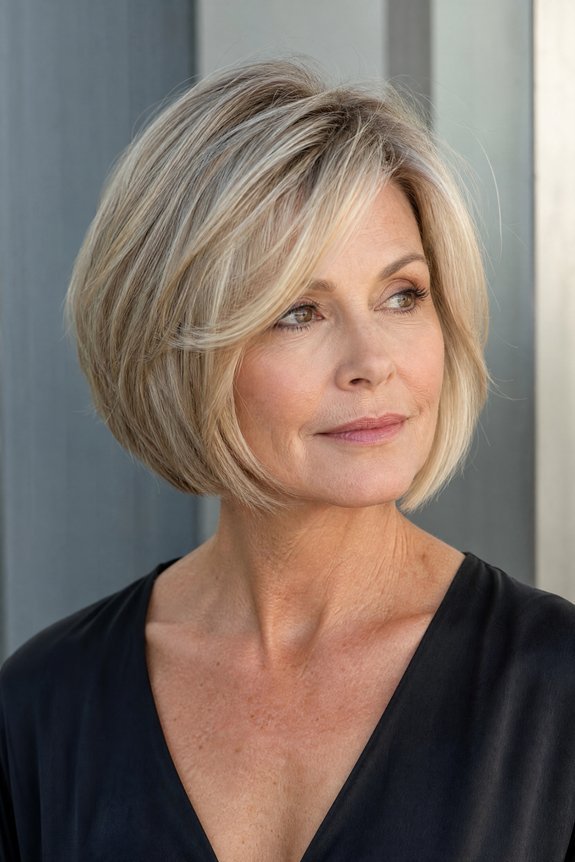
- Textured cuts like choppy bobs or layered lobs physically remove months of grow-out while breaking harsh demarcation lines.
- Purple shampoo weekly neutralizes yellow tones, keeping emerging gray bright and consistent with the rest of your hair.
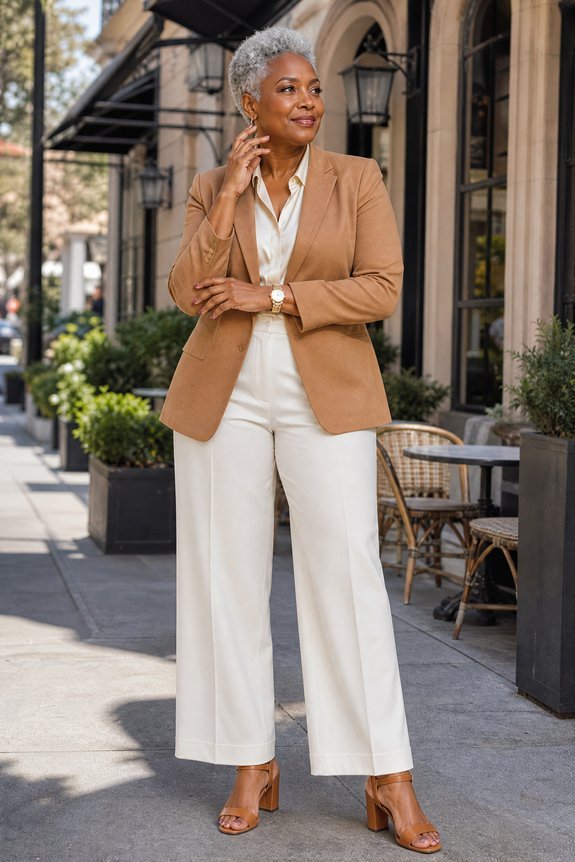
- Framing the transition as intentional through bold accessories and confident styling shifts perception from awkward to deliberate.
Why the Grow-Out Line Happens (And How to Beat It)

When you stop coloring your hair, that stark line of demarcation between your dyed ends and your natural roots becomes the main event—and not in a good way.
The contrast causes that harsh visual divide we all dread. Regrowth patterns vary, but we can outsmart the line with strategic highlights, lowlights, or a well-timed cut.

ECO FABRIC: This cotton hat is for daily use. Material: Made of high quality 100% organic cotton fabric, healthy and breathable, soothing and skin-friendly. The elastic rib...
Should You Go Cold Turkey or Transition Gradually?

Beating that grow-out line with highlights and lowlights buys us time, but eventually we’ve to make the bigger call: do we rip off the bandage all at once, or ease into our natural color over months?
Cold turkey works if you’re bold and low-maintenance. Gradual tapering suits those of us who need a slower goodbye to our dye habit.
Talk to Your Colorist Before You Stop Coloring

Before you put down the dye for good, loop in your colorist—they’ve seen this shift hundreds of times and can map out a game plan that saves your hair from looking like a skunk stripe down the middle.
A colorist consultation gives us a real timing strategy, not just guesswork. We deserve that head start.
How Highlights and Lowlights Blur the Demarcation Line

One of the smartest moves we can make during a gray shift is letting highlights and lowlights do the heavy lifting. They create soft reflections that blend your natural roots with your colored ends, softening that harsh demarcation line.
Add a few dimensional sheen tones throughout, and suddenly the grow-out looks intentional. It’s less “oops” and more “effortlessly chic.”
Try a Gray Blending Technique Instead of Full Color

Highlights and lowlights buy us time, but gray blending takes that idea further and makes it a whole strategy.
Instead of fighting your roots with full color, we work *with* them. A colorist weaves in tones that mimic natural gray, creating a subtle shimmer that softens the contrast. Gray blending doesn’t erase the shift — it disguises it brilliantly.

Instant Root Touch Up: Hair shadow powder covers roots and gray hair, blending seamlessly with your existing hair for a natural looking result that is quick and easy to apply
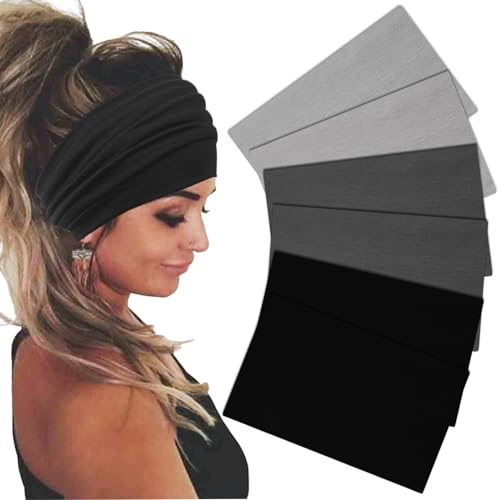
COMFORTABLE FABRIC - Sefiinh fashion headbands are made of good quality polyester & spandex, soft, breathable and stretchy material won't make you feel headache or discomfort.

Instant Root Touch Up: Hair shadow powder covers roots and gray hair, blending seamlessly with your existing hair for a natural looking result that is quick and easy to apply
Root Smudging Makes the Transition Nearly Invisible

Root smudging takes gray blending one step further — instead of weaving in gray tones throughout, a colorist softens the line right at the root, blurring the boundary between your natural growth and the rest of your hair.
A root smudge deposits a shadow glaze just where the two meet, making the grow-out look intentional. We love a technique that does the hard work quietly.
How to Use Toners to Soften Harsh Color Contrast
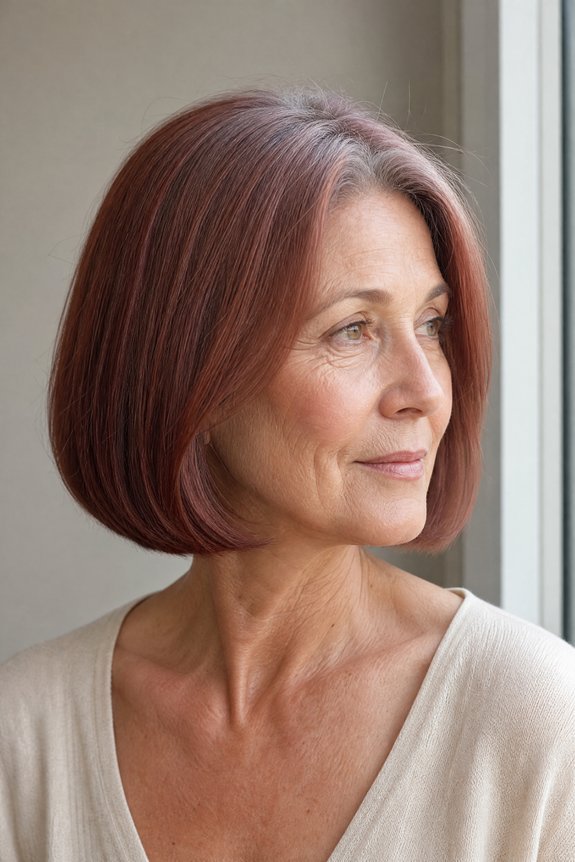
Smudging handles the root line, but toners tackle the bigger picture — that sharp, sometimes jarring contrast between your colored ends and your natural gray coming in.
We love toners for contrast softening because they’re low-commitment. Try this:
- Choose an ash or pearl toner
- Apply every 4–6 weeks for toner maintenance
- Focus on mid-lengths, not roots
The Right Haircut Makes Gray Grow-Out Look Intentional

Your haircut is doing more work than you think during a gray grow-out. We often overlook this, but strategic cuts make the shift look deliberate.
A textured undercut removes bulk and blurs that harsh demarcation line beautifully. Face framing layers draw attention upward, making contrast look styled, not neglected. Your stylist can make gray feel like a choice, not a mistake.
Pixie Cuts and Bobs Speed Up the Gray Transition

Short hair is the fastest way to get gray done and over with, and we don’t talk about that enough.
A textured pixie or choppy bob removes months of grow-out instantly. Try these cuts:
- Textured pixie
- Choppy bob
- Layered lob
Each one eliminates the line quickly, looks intentional, and keeps you moving forward confidently.
How Layers Help Hide the Line of Demarcation

Layers work like a soft blur on the line of demarcation, breaking up that hard contrast between your natural gray and your colored ends. We love face framing and texture layering here—they scatter the eye, so nobody’s tracking that line.
| Layer Type | What It Does | Best For |
|---|---|---|
| Face Framing | Softens contrast near jawline | Round, oval faces |
| Texture Layering | Breaks harsh lines throughout | Thick, coarse hair |
| Curtain Layers | Diffuses mid-length demarcation | Medium-length styles |
Hair Gloss Treatments That Unify Mixed Tones

When your hair’s showing three different tones at once—steel gray at the roots, faded dye in the middle, and whatever’s left at the ends—a gloss treatment can pull all of that together without committing to a full color.
We love this option because it’s low-stakes. Try:
- Silver glaze for root blending
- Tone fusing gloss mid-shaft
- Clear gloss at ends
Purple Shampoo Keeps Transitioning Gray Bright and Clean

Once the gloss has done its job of smoothing out those competing tones, you’ve still got to maintain that brightness day to day—and that’s where purple shampoo earns its place in the routine.
We swear by purple toners weekly to neutralize yellow. Just pair them with a sulfate free shampoo between uses, and we’re keeping that gray genuinely luminous.
Scalp-Friendly Routines for Healthier Gray Growth

Healthy gray growth actually starts at the scalp, and we don’t talk about that nearly enough.
Give yours some attention with these three habits:
- Use a sulfate free shampoo to avoid stripping natural oils
- Try a scalp massage weekly to boost circulation
- Stay consistent—gray grows slowly, and your scalp notices neglect fast
How Long Does Transitioning to Gray Actually Take?

Now that your scalp is in good shape, let’s talk about the part that tests everyone’s patience—the timeline.
Timeframe expectations vary, but most people see significant progress within one to two years.
Your hair cycle matters here—hair grows roughly half an inch monthly.
We’re playing a long game, but understanding the process makes waiting feel less like watching paint dry.
Products That Make Gray Hair Look Polished, Not Wiry
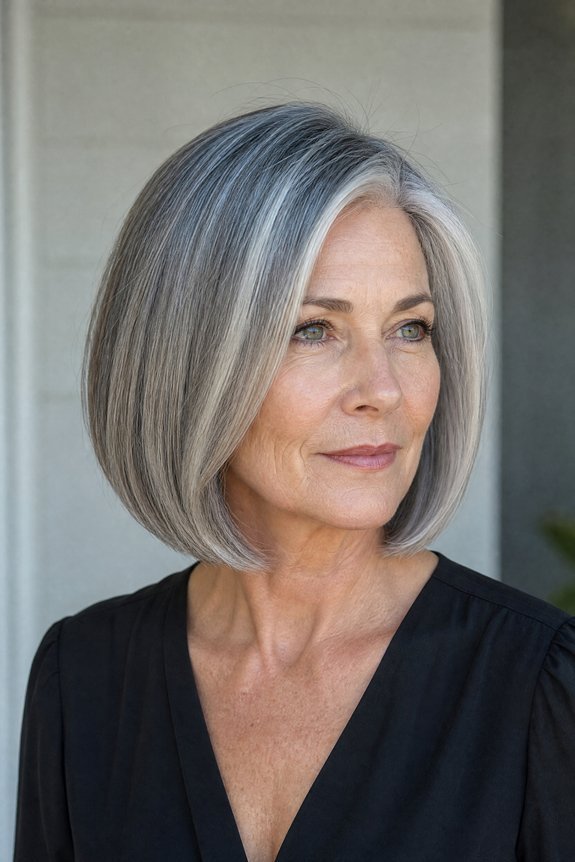
Gray hair is beautiful, but without the right products, it can turn wiry, yellowed, or dull faster than you’d expect.
We’ve learned that three products genuinely help:
- Purple shampoo neutralizes brassiness
- A silk serum tames flyaways
- Smoothing balm softens coarse strands
Use all three consistently, and your gray will look intentional, not accidental.
What to Do If Your Gray Comes In Patchy or Uneven

For most of us, gray doesn’t come in all at once—it shows up in patches, a silver streak at the temple here, a salt-and-pepper cluster at the crown there, while the rest stays stubbornly dark.
Patchy patterns are normal, not a flaw. Try toning shampoos to unify contrast. If scalp sensitivity flares during changeover, switch to sulfate-free formulas immediately.
How Celebrities Transitioned to Gray Without Skipping a Beat

Watching celebrities like Jamie Lee Curtis, Sarah Jessica Parker, and Andie MacDowell go silver on the red carpet made a lot of us quietly rethink our own relationship with the dye bottle.
These natural icons didn’t hide — they strategized. Here’s what silver celebs did right:
- Committed fully
- Got great cuts
- Embraced bold styling
When to See a Colorist vs. Handle the Transition at Home

Deciding whether to see a colorist or go it alone at home comes down to a few key factors — your current hair color, your patience level, and honestly, how much damage control you’re willing to do if things go sideways.
| Go to a Salon Consultation | Try At-Home Kits |
|---|---|
| Dark, heavily colored hair | Light or minimally colored hair |
| Complex blending needed | Simple root blending |
| Zero margin for error | Budget-conscious shifts |
Embrace the In-Between Stage With Confidence

The in-between stage — that awkward stretch where your roots are going silver but the rest of your hair hasn’t caught up yet — is honestly the hardest part to push through, but it doesn’t have to look like a mistake.
Try these confidence exercises:
- Own the narrative through social storytelling
- Accessorize boldly
- Repeat daily affirmations
We’ve got this.
Conclusion
We’ve covered a lot of ground, and here’s a stat worth remembering: hair grows roughly half an inch per month, meaning a full shift can take one to two years. That sounds intimidating, but it’s also freeing—you’ve got time to blend, adjust, and experiment. The grow-out line isn’t a flaw; it’s a phase. Work the techniques, trust the process, and you’ll land somewhere genuinely beautiful.