
What Nail Shape Is Most Flattering for Women Over 50?
Some people find that certain nail shapes feel more comfortable or suit their hands better as skin texture and knuckles change over time—but this varies a lot from person to person, and there’s no universal rule here. Nail shape is really a personal style choice, not a fix for anything. Let’s look at a few options and what they tend to work well with, so you can decide what feels right for you.
Key Takeaways
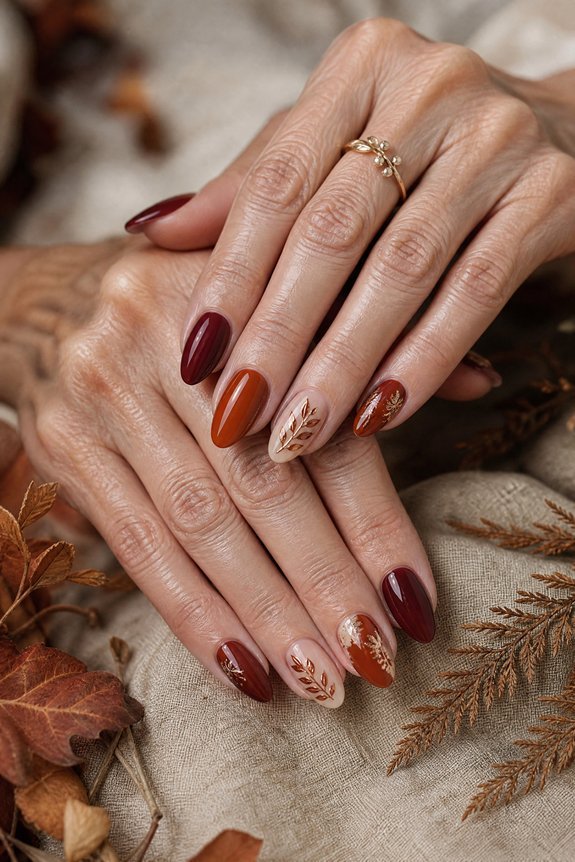
- Oval and almond shapes are widely recommended for women over 50, as tapered sides visually elongate fingers and soften overall appearance.
- Squoval and soft square shapes offer a practical alternative, providing durability for daily tasks while still looking polished and neat.
- A medium-short length of 3–5 mm in oval or soft almond is ideal, reducing breakage risk while creating a rejuvenating effect.
- Sharp stiletto or hard square shapes can draw attention to veins and knuckles, making them less flattering choices for mature hands.
- Warm nude or sheer polishes paired with flattering shapes help unify the nail bed and soften the visibility of blue-toned veins.
The Most Flattering Nail Shape for Women Over 50
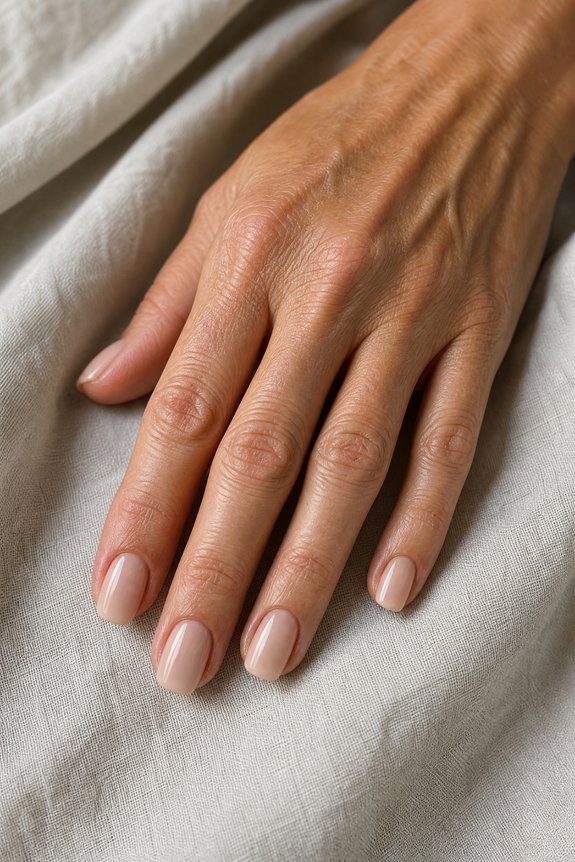
Finding a nail shape that works for you doesn’t have to be complicated, but it might mean rethinking a habit or two. Very sharp angles and extreme lengths can be tricky to maintain without specialized tools, and some people find they draw more attention to hand veins or add visual weight—though this varies from person to person and isn’t true for everyone.
Instead, many women find soft, rounded shapes kept short to medium length—just slightly past the fingertip—easier to live with day to day. Squoval, soft square, and classic round are popular choices. For those who prefer a slightly bolder silhouette, a tapered coffin shape can still read as sophisticated rather than youthful when kept moderate in length. These shapes can complement narrower nail beds and often pair nicely with neutral or nude polish, though what looks best really depends on your individual hand shape, nail bed width, and personal taste.
Shorter, softly contoured nails also tend to hold up better against breakage and fit more easily into active routines. There’s no single “correct” shape here—just options worth trying if your current routine feels like more upkeep than it’s worth. Shapes like oval and almond are particularly effective at elongating the fingers, which can help draw attention away from wrinkles for a more youthful appearance.
Why Oval and Almond Shapes Work Best on Mature Hands
Nail shape is a matter of personal preference, but oval and almond shapes tend to be popular go-tos for many women, since they offer soft contours without requiring extra length or upkeep. Hands change differently for everyone, so what works well for one person may not suit another—but here’s why these two shapes are often recommended:
- They can visually elongate fingers. Tapered sides draw the eye upward along the nail, which may make fingers look longer and slimmer. This same visual principle is used in hairstyling, where angled layers near the face can create the illusion of added length and softness.
- They offer a softer look. Rounded tips avoid sharp angles, which some people feel draws less attention to skin texture or veins.
- They work well on shorter nail beds. Even at modest lengths, these shapes can still look polished—no extra length required.
- They are runway-favored shapes. Oval and almond are often achieved and maintained through salon services, making them easy options if you prefer a professional touch over DIY filing.
If you’re looking for a low-maintenance shape that’s easy to style, oval and almond are worth trying—but the best shape ultimately comes down to what feels right for your hands and your routine.
The Nail Shapes That Actually Age Your Hands

Not every nail shape works for every hand, and personal preference plays a big role in what feels right as hands change over time. Some women find that sharp, tapered stiletto tips can draw more attention to veins, knuckles, or skin texture—though this varies from person to person and isn’t a hard rule. Much like how fabric construction can matter more than the material itself, the way a nail shape reads on your hand often comes down to your individual proportions rather than the shape alone. If that’s a concern for you, it’s worth trying a shape with a softer point.
A boxy shape with hard square corners can visually widen the nail plate for some hands, which may make fingers appear shorter. This effect depends on your specific hand shape and nail bed, so what looks one way on someone else may look different on you. If you like a structured look, a softened square or squoval shape offers a similar clean line with less visual weight at the corners.
Nail length is really a matter of personal comfort and lifestyle. Longer nails do mean more surface area, which can lead to more visible chips or breaks, especially with daily tasks like typing or gardening. If you’re finding upkeep frustrating, a shorter or medium length might be easier to maintain—but there’s no universal length that’s right for every hand or every routine. With longer lengths, regrowth of the coating also becomes more noticeable over time, which can mean more frequent salon visits to keep things looking polished.
How Nail Length Affects the Look of Mature Hands
Shape is only part of the picture—length matters too, and it can make a noticeable difference.
A great shape can lose its effect if nails are too long or cut too short. Here’s what tends to work well:
- Short lengths are practical for daily life. Nails at 0–2 mm past the fingertip tend to snag less, break less often, and need less upkeep.
- Medium length is flattering for many hands. Around 5–7 mm can elongate the look of fingers without feeling like too much—though this varies depending on your hand shape and finger length.
- Color shows differently at different lengths. Some women find polish and finish read more clearly at medium length, but this comes down to personal preference and the specific polish or finish used.
Nails can become more prone to chipping or breaking, and may grow more slowly, as we get older—though this varies from person to person. For mature hands, a medium-short length of 3–5 mm in an oval or soft almond shape tends to be the most rejuvenating option.
Choosing a manageable length isn’t settling; it’s practical.
The goal is nails that look polished without a lot of extra upkeep.
Which Nail Shape Suits Your Hand and Nail Bed
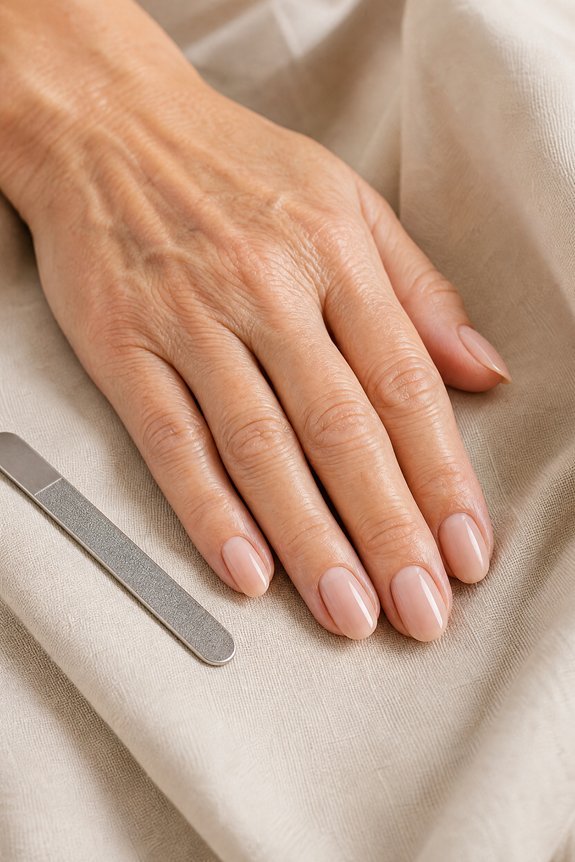
Which Nail Shape Suits Your Hand and Nail Bed
Finding a nail shape you like isn’t complicated—it usually comes down to working with the hands you have. Everyone’s finger length, width, and nail bed shape are different, so there’s no single “correct” choice.
Some people find that oval or almond shapes make shorter fingers look a bit longer, since the curved tip adds visual length. If you have wider nail beds, oval, almond, or squoval shapes are often suggested, because the gentle taper can make the nail appear narrower. The same idea is sometimes applied to broader fingers, though how noticeable this effect is will vary from person to person.
For everyday durability, simpler shapes like squoval or soft square tend to hold up better with daily tasks, since there’s less pointed tip to catch or chip. This can matter more for some people than the shape’s visual effect.
If your hands are smaller, more compact shapes—like a short oval or squoval—may look tidier on you, but that’s a matter of personal preference rather than a rule.
Your cuticle shape can also serve as a useful guide, since rounded cuticles tend to pair naturally with curved nail tips, while flatter cuticles often complement square or squoval styles.
In the end, the best nail shape is whichever one fits your daily routine and feels right on your hands. There’s no universal answer that works for everyone.
How the Right Shape Draws Attention From Veins and Age Spots
Many people notice veins and age spots on their hands under bright bathroom lighting and wonder if there’s anything to do about it short of wearing gloves. Nail shape can shift visual attention—drawing the eye toward the nail’s outline rather than the skin’s texture. This effect is subjective and varies depending on hand shape, skin tone, and personal preference.
Here are some shapes worth trying:
- Oval or almond shapes tend to guide the eye along the length of the finger, which may reduce focus on surface details.
- Soft squoval shapes create a smoother transition from finger to nail tip, which some find helpful for avoiding sharp visual lines near prominent veins.
- Short-to-medium lengths can help keep proportions balanced. Very long nails may draw more attention to the surrounding skin, though this varies from person to person.
Pairing these shapes with a warm, nude polish is a common styling choice, and some find it softens the appearance of blue-toned veins. Results depend on your skin’s undertone and the specific polish shade, so it’s worth testing a few options. Sharp square corners create more defined lines, which can draw more attention to the skin around the nail—if that’s not the look you want, a rounder shape is worth trying instead.
As with most styling choices, what works well on one person’s hands may look different on someone else’s, so it’s worth experimenting to see what you prefer. Keeping nails consistently shaped and maintained with regular filing and daily moisturizing can also support a cleaner, more polished overall appearance.
The Best French Manicure Shape for Mature Hands Over 50
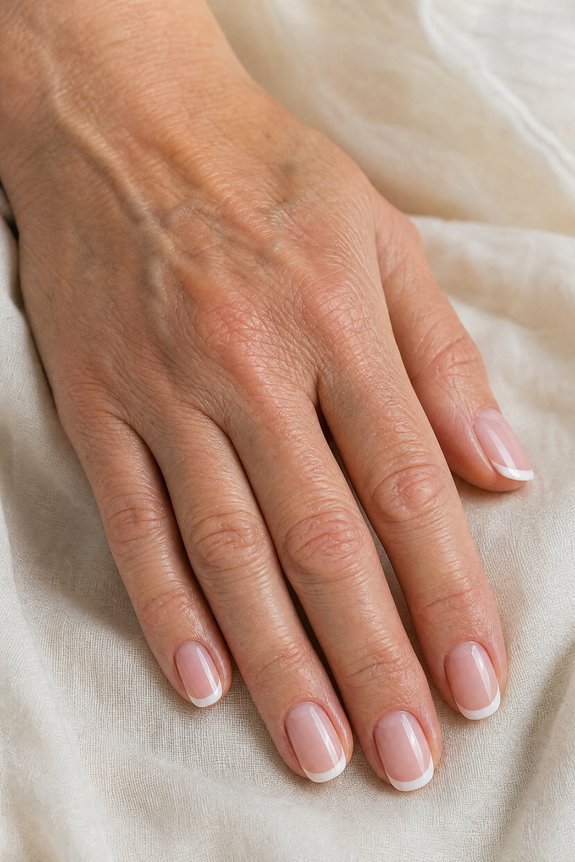
French manicures never really go out of style, but the classic version—thick white tips, sharp smile line, long square shape—doesn’t work for everyone, especially as hands and nail texture change over time. Those bolder elements can draw more attention to the free edge, which may or may not be what you want.
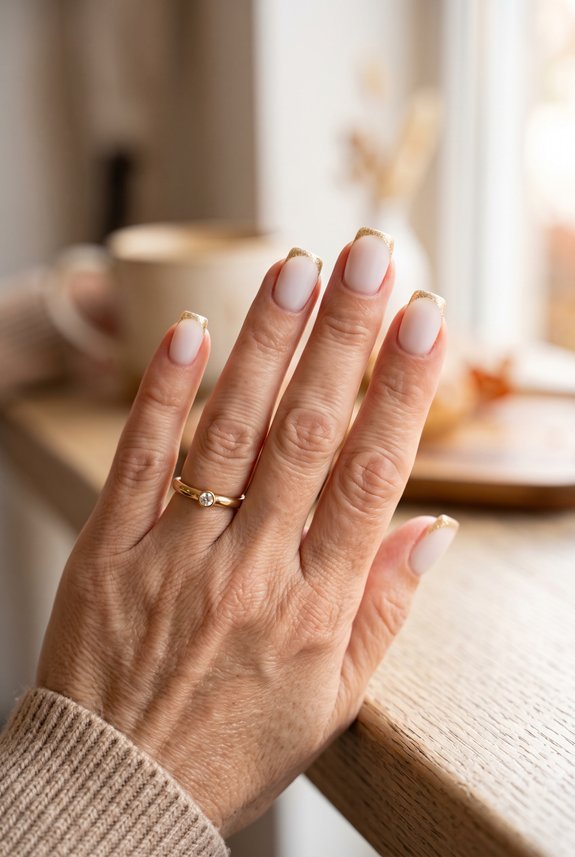
A micro French manicure is a popular alternative: a slim, 1–2 mm tip that stays close to the natural free edge. Many people find this proportion easier to maintain and less prone to chipping unevenly, though results depend on your nail shape, length, and the polish or gel used.
Pairing a thinner tip with an oval, almond, or squoval shape can create the appearance of longer-looking fingers for some people—this varies based on individual hand shape and nail bed size, so it’s worth trying a shape in person or asking your nail tech for their opinion before committing.
If you want something a little different, subtle V-shaped tips are a modern variation worth considering. The point creates a vertical line that some people feel elongates the finger visually, though like any style choice, the effect is subjective and won’t look the same on every hand.
Small adjustments like these are low-commitment ways to update a classic manicure—try a few shapes and see what you personally like best. Pairing any tip style with a sheer or nude base allows the natural nail pink to show through, which unifies the nail bed and gives a more luminous, natural appearance overall.
Why Short Oval and Almond Shapes Are Easier to Maintain Over 50
Short oval and almond shapes often come up first when people talk about low-maintenance nails after 50—mainly because they tend to follow your natural nail outline, which can make filing quicker and less frequent for many people.
Here’s why they tend to work well for a lot of us:
- Less breakage risk — keeping the free edge short (many people find 3–5 mm comfortable) can reduce leverage on nails that feel more brittle with age, though brittleness varies from person to person.
- Fewer snags — rounded edges without sharp corners may mean fewer chips while cooking, typing, or doing everyday tasks.
- Simpler upkeep — for many, regular oiling and a few basic tools are enough to maintain the shape between filings, though your routine may need adjusting based on your nails and lifestyle.
These shapes can also be a good option if you like a polished look without much effort—some people find they elongate the fingers visually, though this is a matter of personal style and preference rather than a hard rule.
How to File Soft Oval and Almond Nails Without Damage

Once you’ve settled on a soft oval or almond shape, the next question is how to file it without leaving your nails weak or prone to peeling. A few filing habits can help, though results can vary depending on your nail type and the tools you use.
Try filing when nails are dry rather than right after a long soak — nails that have absorbed a lot of water can be softer and may be more prone to tearing. If your nails feel dry or brittle, a light oil like jojoba can help before you start.
A fine 180–240 grit file, ideally glass or crystal, tends to give a smoother edge than coarser metal files. Angle the file slightly under the free edge, and file in one direction rather than sawing back and forth, which can cause splitting for some people. Light, short strokes — a few passes per side — are usually enough; pressing hard or filing for a long time can weaken the edge.
Keeping the skin around your nails smooth can also help the file glide evenly, since rough cuticles or hangnails can catch and throw off your stroke. For almond shapes, many people find it easier to shape the sides first, then refine the tip last.
Everyone’s nails are a little different, so it may take some trial and error to find what works best for you.
Conclusion
We’ve covered a lot of ground, and here’s the practical takeaway: nail shape can change how your hands look, though the effect varies from person to person depending on finger length, nail bed width, and personal preference. Many women find that oval and almond shapes create a softer look and can be flattering on mature hands, but this isn’t a universal rule—some prefer square or squoval shapes, and both work well too.
You don’t need extra length or elaborate designs for a shape to look good. Paying attention to shape and proportion—and choosing what feels right for your hands—is usually enough of a starting point.
References
- https://www.journee-mondiale.com/en/5-flattering-nail-shapes-i-discovered-for-senior-hands-this-winter/
- https://www.women.com/1842100/mistake-may-be-making-with-nails-older-hands/
- https://www.yours.co.uk/life/beauty/nail-shapes/
- https://www.journee-mondiale.com/en/i-tried-5-nail-shapes-on-my-60-year-old-hands-heres-what-worked-best/
- https://parade.com/beauty/old-money-manicure-for-mature-hands
- https://www.journee-mondiale.com/en/i-tried-5-nail-shapes-on-my-60-year-old-hands-heres-what-took-years-off/
- https://www.opi.com/blog/nail-care/how-to-find-the-best-nail-shape-for-your-hands
- https://www.nailbold.com/nail-shapes-chart-the-complete-guide-for-2026/
- https://mirelleinspo.com/blog/nails-for-older-women/nails-for-older-women
- https://www.glam.com/1222973/oval-nails-could-be-the-best-shape-for-older-hands/