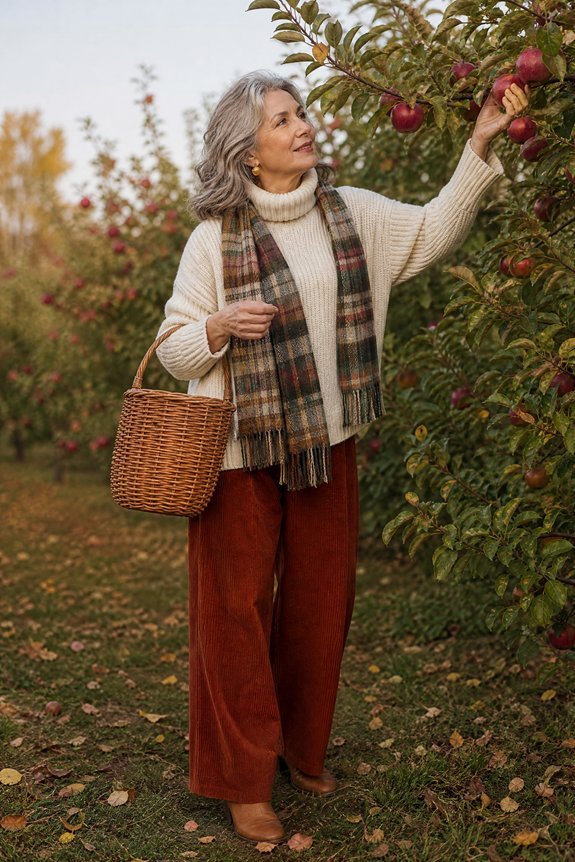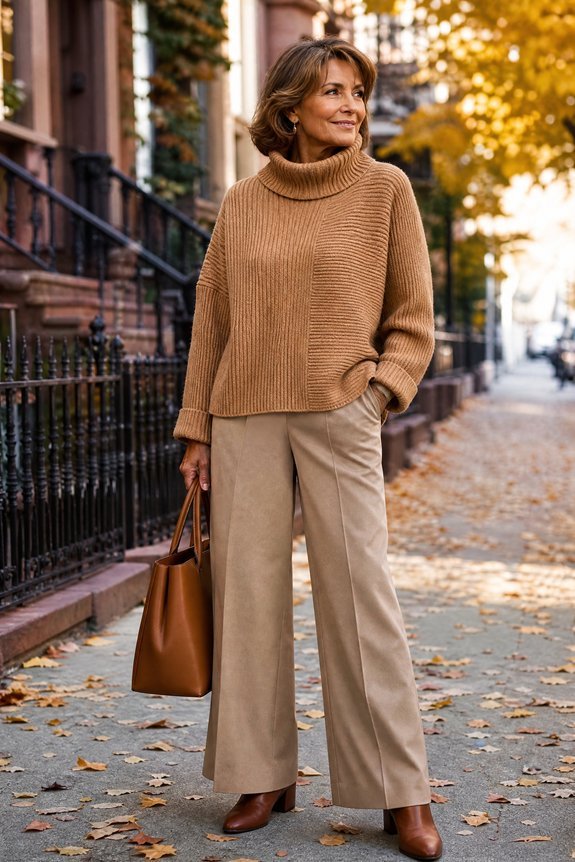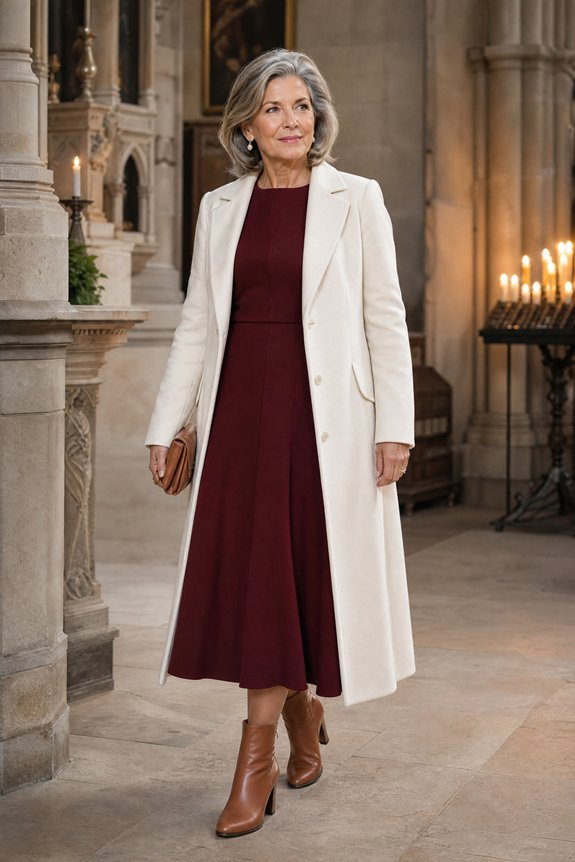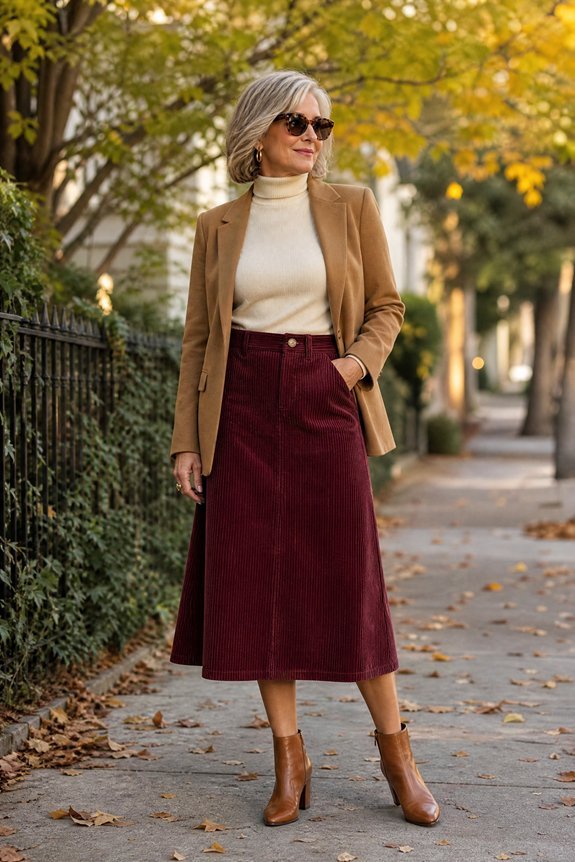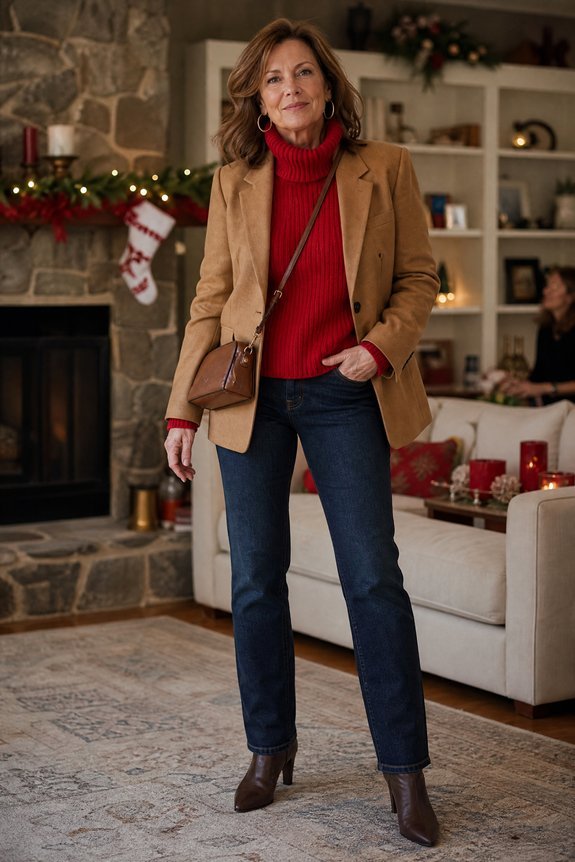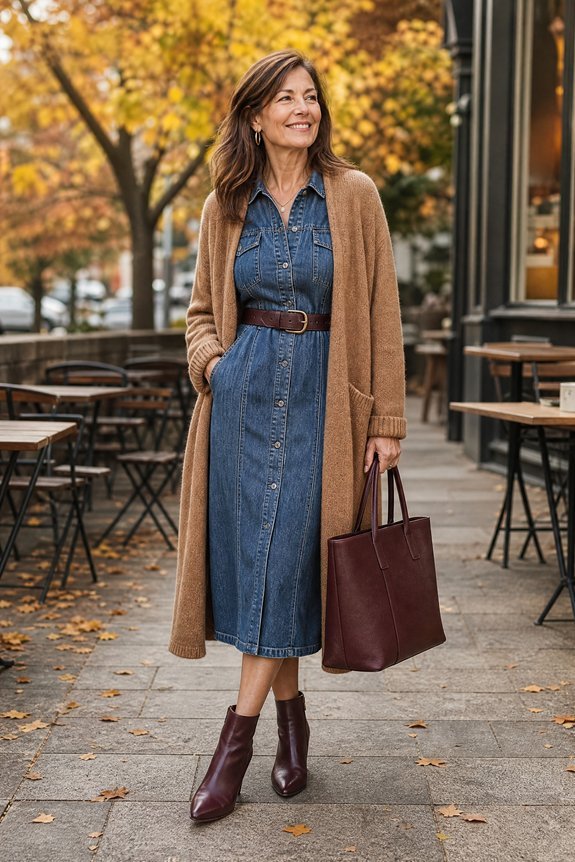
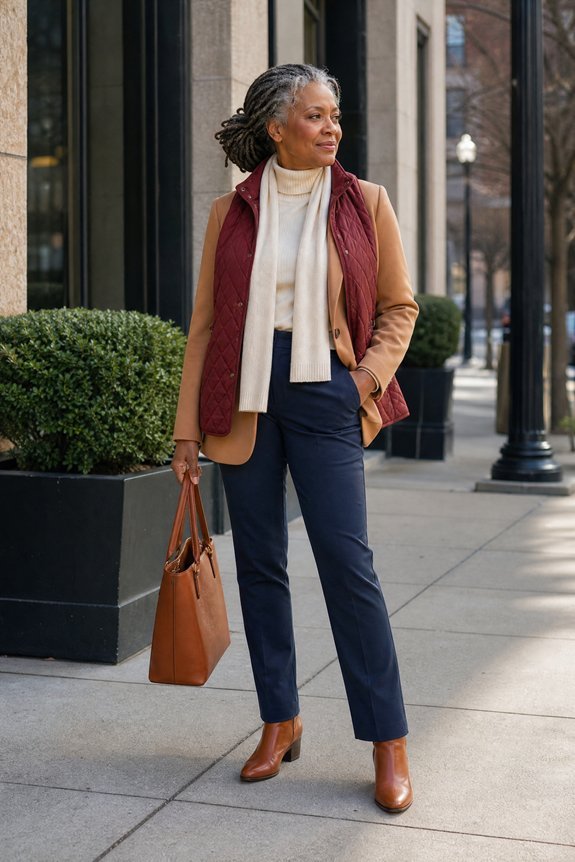
How to Layer Winter Clothes Without Looking or Feeling Bulky After 50
Once you’ve reached a certain seasoning in life, winter layering can feel like a losing battle—you pile on the warmth and suddenly you’re shaped like a duvet. We’ve all stepped outside looking polished, then returned looking stuffed. The good news? There’s a smarter system, and it starts with understanding exactly which fabrics, fits, and sequences actually work together.
Key Takeaways
- Start with a seamless, slim-fitting merino or technical synthetic base layer that wicks moisture and creates a smooth foundation.
- Choose fine merino or cashmere mid-layers that insulate without adding bulk or crowding your silhouette.
- Select a coat with extra room through the shoulders, upper back, and sleeves to fit cleanly over all layers.
- Make each layer slightly looser than the one beneath to allow airflow and prevent uncomfortable bunching.
- Avoid cotton thermals, as they trap moisture against the skin and quickly turn cold and uncomfortable.
Why Layering Feels Harder After 50 (And How to Fix It)
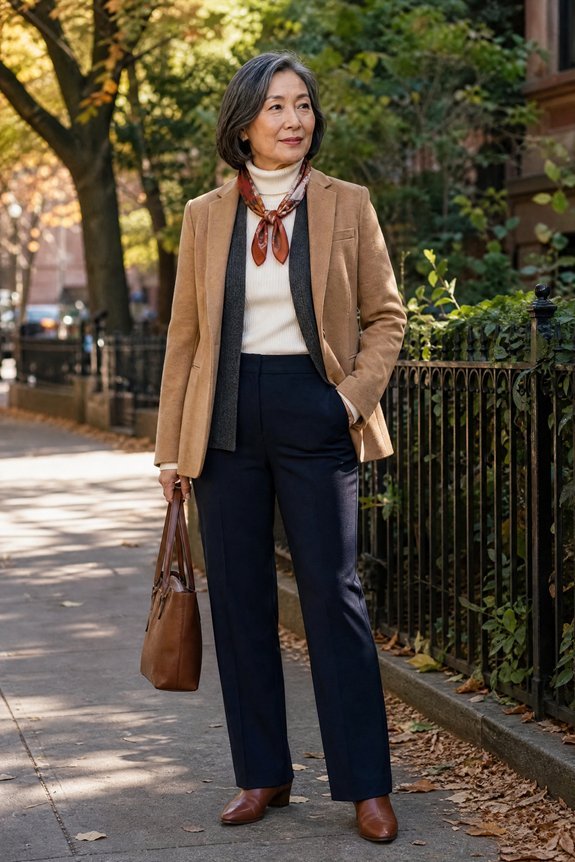
When we hit our 50s, something that used to feel effortless—throwing on a few layers and walking out the door—starts producing results that look more like a stuffed sofa than a streamlined outfit. Posture changes shift where fabric pulls and bunches. Circulatory shifts mean we’re simultaneously freezing and overheating. Hormonal effects alter how fabrics feel against skin, making sensory sensitivity a real, daily factor.
The fix isn’t fewer layers—it’s smarter ones. Think thinner, technical fabrics, a deliberate fit hierarchy, and pieces chosen to work together rather than compete. A longline cashmere cardigan layered over a fitted shell, for instance, solves warmth, polish, and proportion all at once without adding bulk. The system, once understood, actually makes getting dressed easier.
The Best Fabrics for Winter Warmth After 50
Fabric choice quietly does most of the heavy lifting in a well-layered winter outfit, and after 50, getting it right matters more than it used to. Fine merino and cashmere sit close to the skin, stay thin, and actually breathe. Silk thermals are surprisingly warm for their weight, and they slide smoothly under trousers without bunching. Recycled synthetics have improved enormously, wicking moisture while staying nearly weightless. Cotton, unfortunately, holds dampness and turns cold fast. Even outside of thermals, fabrics that move like silk blends and brushed cotton help knits and trousers layer smoothly instead of adding stiff bulk.
We’re not chasing the thickest option anymore. We’re chasing warmth-to-bulk ratio, and once you prioritize that, layering stops feeling like a battle.

Merino Wool Thermal Underwear Leggings for Women – Lightweight base layer bottoms deliver breathable warmth under clothes for cold weather, travel, or lounging....
Start With a Slim Base Layer That Does the Heavy Lifting
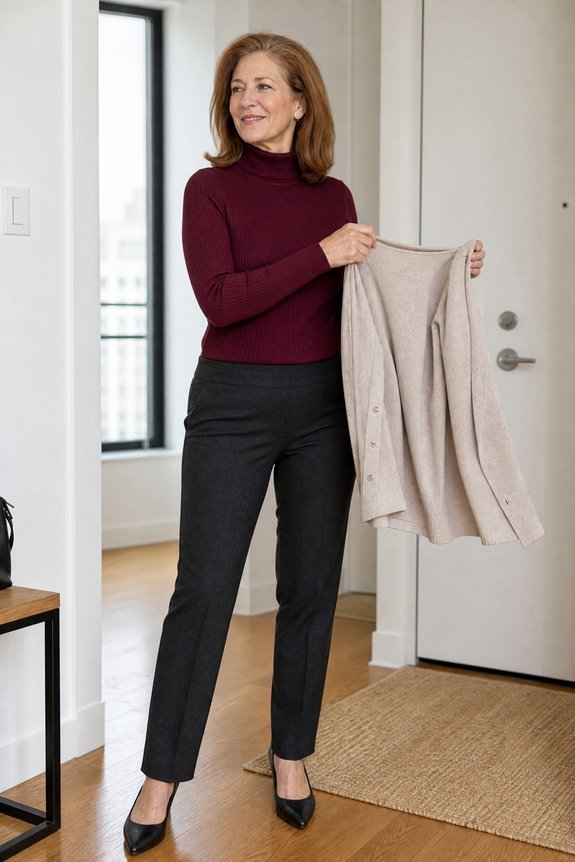
Everything builds on what you put on first, and a slim base layer is where that foundation gets made.
We’ve all made the mistake of starting with a thick turtleneck, then wondering why our coat won’t close properly. Choose a seamless turtleneck in fine merino or a technical synthetic — thin, smooth, and close-fitting.
Thermal camis work beautifully under blouses or dresses, adding warmth without advertising themselves.
Just as with leggings, a base layer with vertical seam placement can elongate your silhouette instead of adding bulk.
Your base layer should hug your body quietly, wick moisture, and create a smooth surface for everything layered over it. Think of it as the anchor piece nobody sees but everybody benefits from.
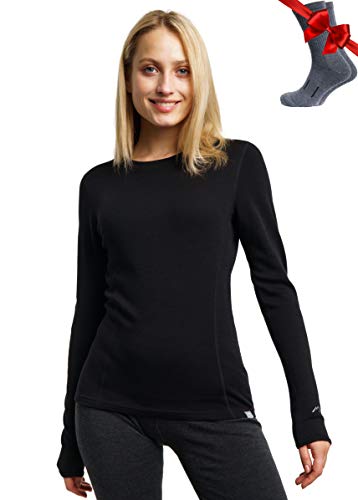
Midweight – Womens Merino Base Layer Available in Lightweight 165 g/m², Midweight 250 g/m², Heavyweight 320 g/m². Merino Wool Hiking Socks ($21 Value!); Package includes Women Merino Wool Base Layer Top Midweight 250 g/m² + Wool Socks. Cool Packaging! Makes a Great Gift;

Heavyweight: Mens merino base layer available in: Midweight = 250 g/m², Heavyweight = 320 g/m². Merino wool hiking socks ($21 Value) – Package includes heavyweight merino wool quarter zip shirt and wool pants 250 g/m² + Merino wool hiking socks.
Choose Mid Layers for Winter Warmth Without the Width
Once you’ve got that slim base layer sorted, the mid layer is where most of us quietly go wrong.
We reach for the chunky knit, pile it under a coat, and suddenly we’re a walking duvet.
Instead, try these four smarter choices:
- Fine merino or cashmere sweaters
- Thin fleece jackets
- Structured waistcoats for defined shape
- Cropped vests for core warmth without sleeve bulk
Each one insulates without crowding your silhouette.
The rule we follow: mid layers should follow your body line, not fight your coat’s armholes.
Just as choosing a slim, fitted silhouette over boxy cuts keeps an outfit polished, the same principle applies to mid layers.
Slim down the layer, keep the warmth.

Size Selection: This cashmere sweater undergoes a precision pre-shrinking process. The initial relaxed drape is intentionally designed to accommodate the natural shape of the fibers, ensuring a perfect fit after gentle machine washing. Please refer to our size guide and confidently choose your usual size

Luxury Material: 100% Australian Merino Wool - Merino fibers are finer and smoother than regular wool.This sweater vest is made of 2/48NM Superfine Pure Merino Wool yarn, with a fineness of 19.5 microns.Experience the luxury of 100% Superfine Merino Wool, a base layer so gentle you'll forget it's there.Softness makes it wearable directly on skin, unlike coarse wool which can be scratchy.

Supreme Softness & All-Day Comfort: Experience the luxurious blend of 10% cashmere and 90% superfine 19.5-micron wool, incredible softness with no itch. This breathable sweater naturally regulates your body temperature, ensuring comfort that lasts from morning to night without overheating
Pick an Outer Layer That Fits Over Everything
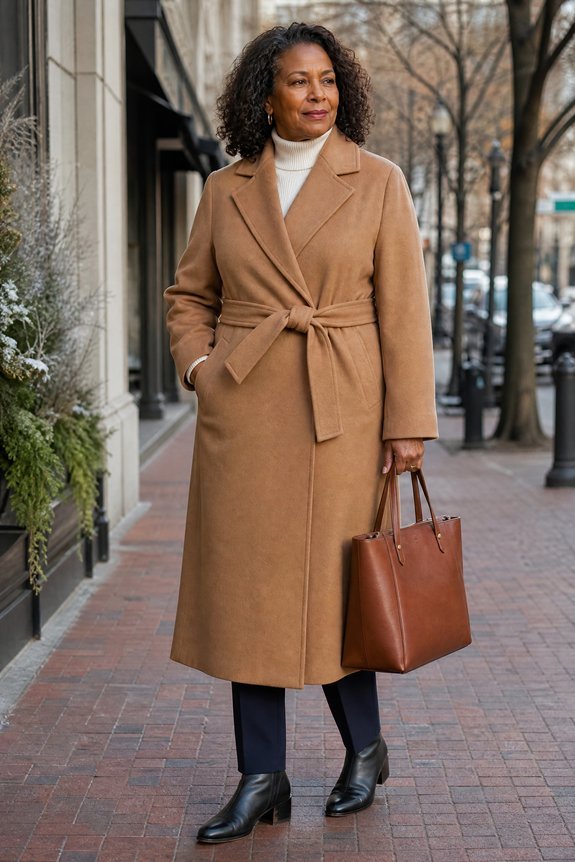
The mid layer earns its keep, but it’s only half the battle—your outer layer is what holds the whole system together.
We need a coat that fits over everything without compressing, bunching, or turning us into a walking duvet. Skip oversized hoodlines and statement shoulderpads—both add volume where we least want it.
Instead, choose a structured wool or insulated shell with room through the shoulders, upper back, and sleeves. That extra ease isn’t sloppy; it’s intentional.
Your real anchor piece should drape cleanly, move freely, and make everything underneath look deliberate, not desperate.

Wool blend material for cold weather wear:This wool coats for women is constructed with a wool blend fabric that provides insulation for fall and winter temperatures.

WOOL BLEND CONSTRUCTION: Made of premium soft wool‑blend material, this women hooded coat delivers excellent heat retention. Lightweight yet insulating, it locks in warmth without bulky feeling, bringing all‑day comfort for chilly fall and winter days.

Wool blend material for cold weather wear:This wool coats for women is constructed with a wool blend fabric that provides insulation for fall and winter temperatures.
Layer Each Piece Slightly Looser Than the One Beneath It
There’s a simple rule that holds the whole system together: each layer needs to be slightly looser than the one underneath it. Skip this, and everything bunches, pulls, or locks your arms at your sides.
- Layer ease lets air circulate, which actually keeps you warmer.
- Sleeve mobility means raising your arms without your coat rising with them.
- Neckline coordination keeps collars stacking cleanly, not fighting each other.
- Hem alignment prevents inner layers from creeping below outer ones.
We’re not adding bulk—we’re building breathing room, intentionally, one layer at a time.
Put It All Together: A Complete Winter Layering Outfit After 50
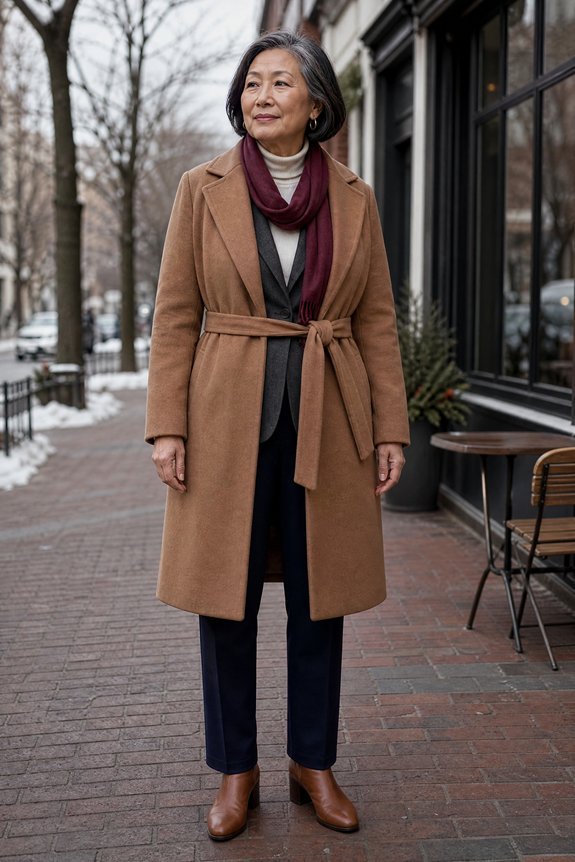
Everything we’ve covered—base layers, mid layers, outer structure, ease between each piece—comes together the moment you actually get dressed on a cold morning.
Start with a slim merino turtleneck, add a fitted cashmere cardigan, then a tailored wool coat.
Keep accessory balance simple: one scarf, no hood *and* hat *and* wrap competing for space.
For footwear choices, pick a sleek boot with a wide toe box—chunky soles add grounding without visual chaos.
Step back, check the mirror. The outfit should look intentional, not assembled in a panic.
That’s the whole point we’ve been building toward.
Conclusion
You’ve got this down to a science now. Start slim, build gradually, and let each layer breathe. We don’t need more clothes—we need smarter choices. A fine merino base, a tailored mid-layer, and a well-cut coat? That’s hitting the nail on the head without the bulk. Winter dressing after 50 isn’t about giving things up; it’s about trading what doesn’t work for what actually does.