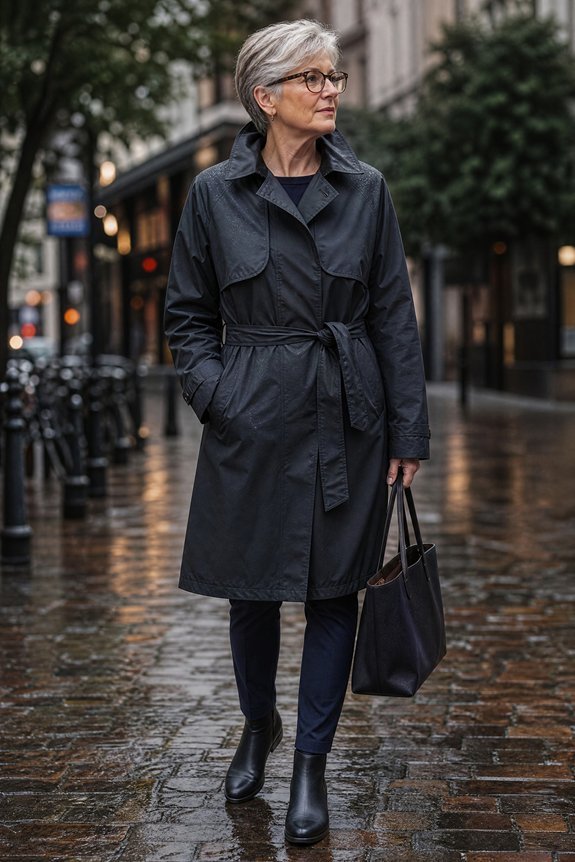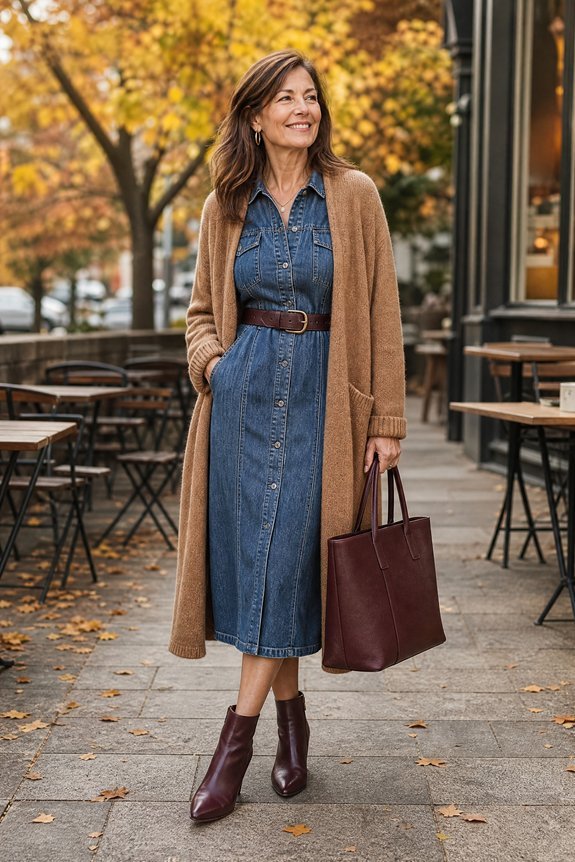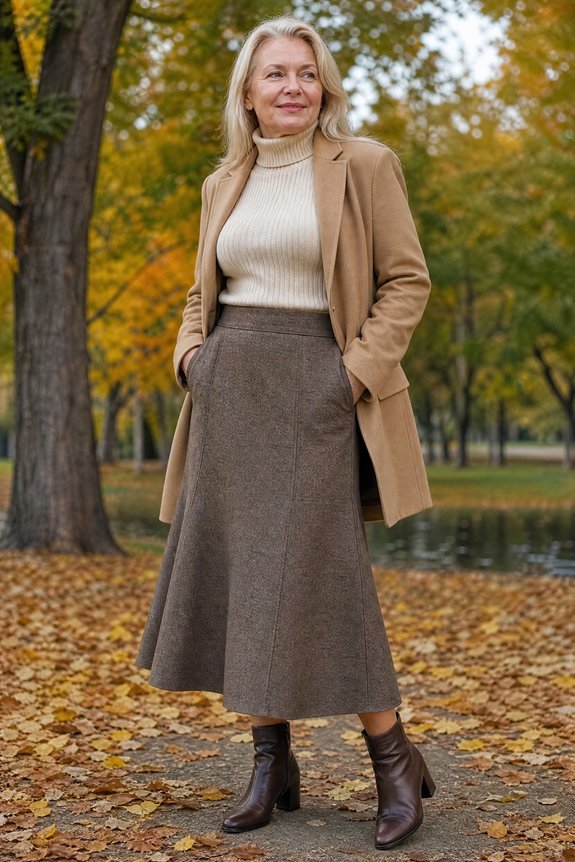

How to Build a Winter Wardrobe After 50 Without Buying Everything New
Winter arrives, and suddenly nothing in your closet feels right—even though it’s full. We’ve all stood there, convinced we need to buy everything new, when the truth is we probably need to buy almost nothing. The real work starts with what’s already hanging there. What you keep, what you cut, and what you strategically add makes all the difference.
Key Takeaways
- Audit your closet first—pull everything out, identify duplicates, and keep only pieces that fit well, flatter honestly, and get regular wear.
- Retain timeless winter anchors like structured wool coats with intact linings, broken-in leather boots, and versatile statement scarves.
- Build three complete outfits from existing pieces to reveal true gaps before spending money on anything new.
- Add only precise, targeted pieces—cashmere tunics, merino layers, or ankle boots—prioritizing wool blends and fabrics that hold their shape.
- Invest in tailoring over buying new; a blazer that pulls or trousers that puddle often need alterations, not replacement.
What You Actually Have Before You Shop
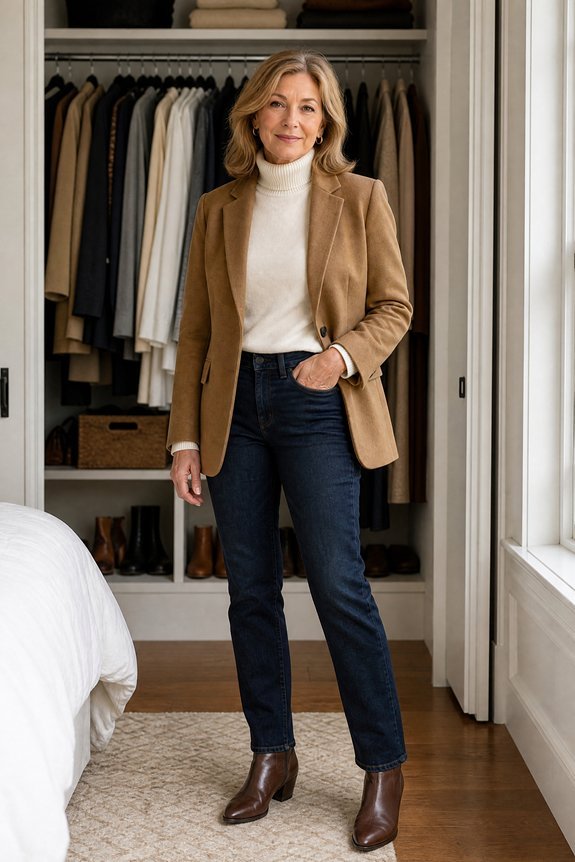
Before we spend a single dollar on anything new, we need to pull out what we already own and take a hard look. A closet inventory sounds tedious, but it’s genuinely the smartest first step.
Drag everything out. Yes, everything. You’ll likely find three black turtlenecks, a blazer you forgot existed, and one very confused cardigan. Once you see what’s actually there, you can measure it against your style goals and spot the real gaps.
Most of us don’t need a full overhaul. We need clarity, a few anchor pieces, and an honest conversation with our existing wardrobe.
The Winter Pieces Worth Keeping After 50

Now that we’ve dragged everything into the light, the real question isn’t what to buy—it’s what’s actually worth keeping.
Timeless coats earn a permanent spot if the lining isn’t shredded and the shoulders still sit right. A structured wool blend? Keep it. A puffy from 2003 that’s lost half its fill? Let it go.
Statement scarves almost always survive the cut—they’re lightweight, ageless, and do serious heavy lifting.
What you’re building here is a foundation, not a museum. Keep what fits well, flatters honestly, and actually gets worn. Everything else is just taking up closet space.

Features: Notch lapel collar, side pockets, long sleeve, double breasted front closure, below the knee length maxi hem

Fabric: Made of polyester and wool, soft and comfortable, it can keep you warm all days

Features: Notch lapel collar, below the knee length, long sleeve, double breasted front, side pockets
How to Spot Gaps in Your Winter Wardrobe
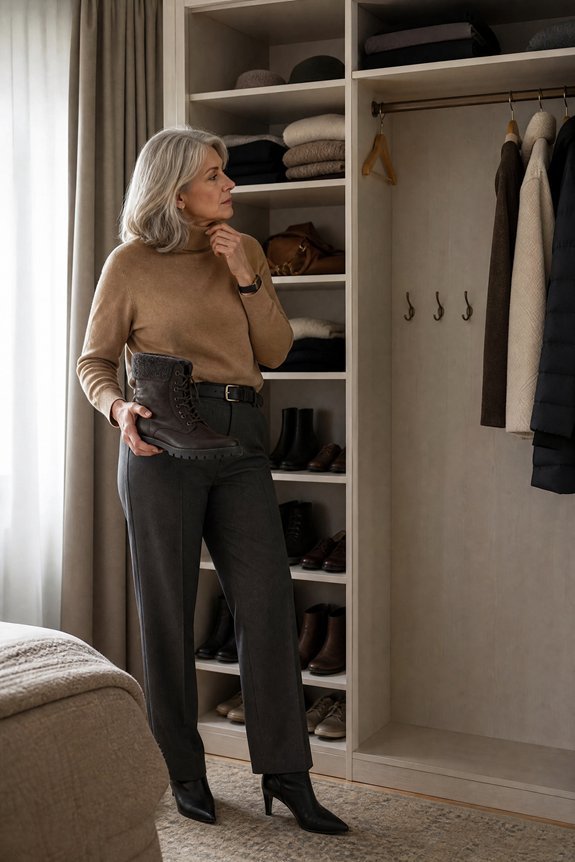
Once we’ve pulled the keepers aside, the gaps tend to make themselves obvious—and a little embarrassing. Suddenly, everything’s brown. Here’s how to spot what’s missing:
- Try building three complete outfits. If you can’t, something’s gone.
- Check your seasonal silhouette—do your pieces feel dated or shapeless together?
- Look for color contrast. One neutral needs a foil, or everything blurs.
- Identify your missing layer—usually a mid-weight option between thin cardigan and heavy coat.
We’re not shopping yet. We’re diagnosing. That distinction matters more than most people realize.
Build Around Neutrals You Already Own
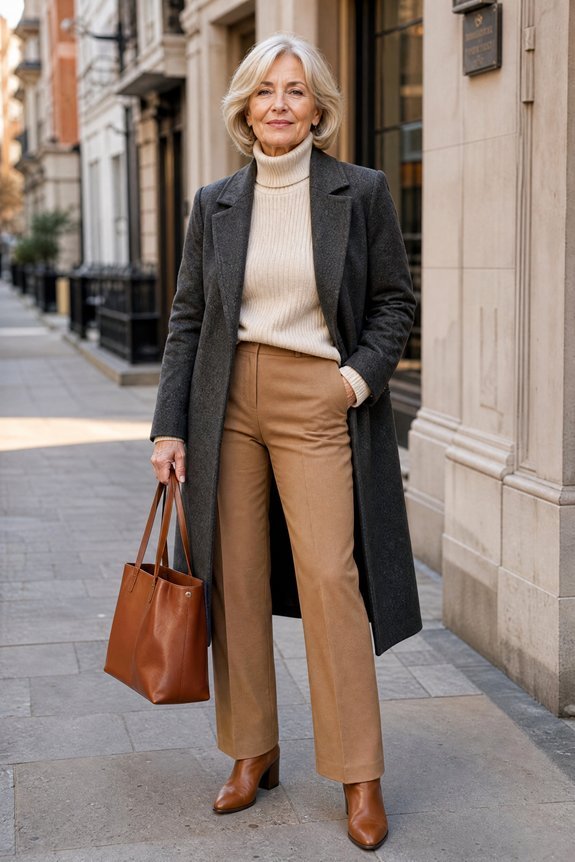
The neutrals already hanging in your closet—navy, camel, grey, black—are doing more work than you’re giving them credit for. We tend to overlook what we already own, chasing something new when the real opportunity is right there. Start by pairing layered neutrals intentionally: a grey turtleneck under a camel coat, black trousers with a navy crewneck. It works.
Then add tonal accessories—a charcoal scarf, a warm-brown belt—to pull everything together without screaming for attention. You don’t need a new wardrobe. You need to see the one you have differently.
Which Fabrics Keep You Warm and Look Polished
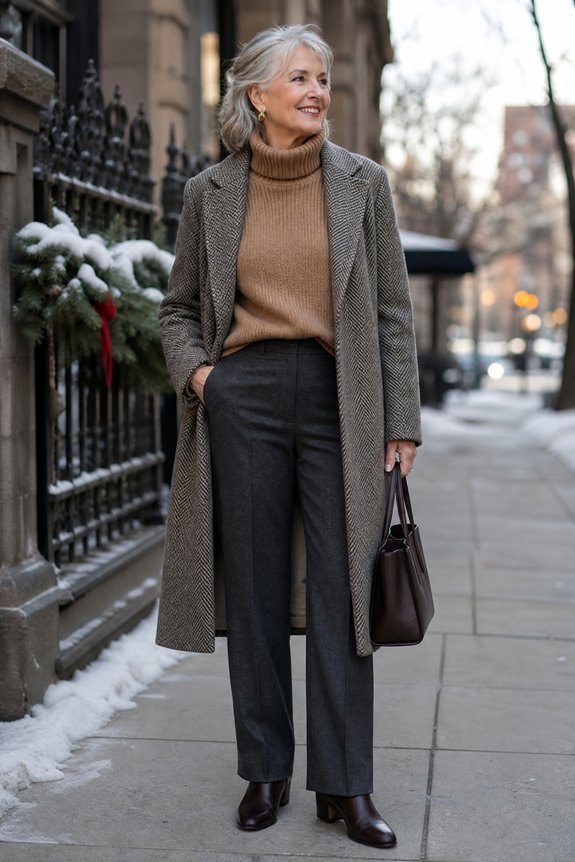
Fabric choice is where a lot of us go wrong in winter—we grab what looks good on the hanger and end up either overheated indoors or underdressed the moment we step outside.
Stick to fabrics that earn their place:
- Wool blends – warm, breathable, and they hold their shape
- Cashmere – lightweight but surprisingly insulating
- Polished synthetics – think ponte and scuba, structured without bulk
- Merino wool – soft against skin, no itching
These fabrics look intentional, not just layered.
That distinction matters more than we think.

Please check the "Size Chart" carefully before ordering. Our size chart consists of Body size chart and Garment size chart. Please refer both size charts to pick appropriate size. Any size-related questions, feel free to contact us!

Features: Long sleeve, classic notch lapel collar, double breasted front, side flap pockets, knee length

Features: Notch lapel collar, side pockets, long sleeve, double breasted front closure, below the knee length maxi hem
Layering Strategies That Work for Women Over 50
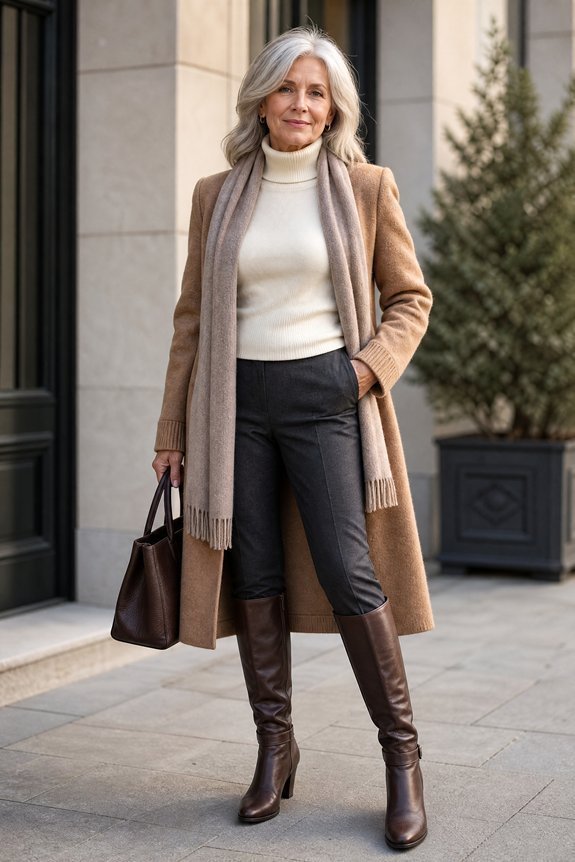
Layering sounds simple until you’re standing in a department store dressing room, sweating under three wool pieces that somehow add ten pounds and zero warmth once you’re back outside. We’ve all been there.
The fix isn’t fewer layers—it’s smarter ones. Start with a fitted base, add a mid-layer that respects sleeve proportion so nothing bunches at your wrists, then finish with an anchor piece that frames your neckline balance without overwhelming your face. Think slim-to-structured. Keep textures varied but tones close. Layering done right creates shape, adds warmth, and nobody suspects you’re wearing four things at once.
The Only New Pieces Worth Buying This Season

Most of us don’t need a full wardrobe overhaul—we need three or four precise additions that quietly fix everything that’s been missing.
Spend wisely this season.
- Cashmere tunics — your new anchor piece over thermal leggings
- Thermal leggings — the unglamorous hero under everything
- Low-heeled ankle boots — wide toe boxes matter more than we’d like to admit
- A substantial belt — it defines the waist that layers keep hiding
Buy fewer things, but buy them intentionally.
These four pieces don’t just fill gaps—they make what you already own finally work together.

Fabric Content : Cashmere 55%,Wool 40% Spandex 5% / Imported / Machine Wash

【Fleece Lined Leggings Women】Material: Made of 88% Polyester, 12% Spandex, with super soft thermal thick fleece interior, our women's Leggings for cold winter will offer you both comfort and warmth. Stay cozy with these awesome fleece leggings indoor or outdoor. High-quality fabrics that are easy to care for, and you can safely throw them into the washing machine and dryer.
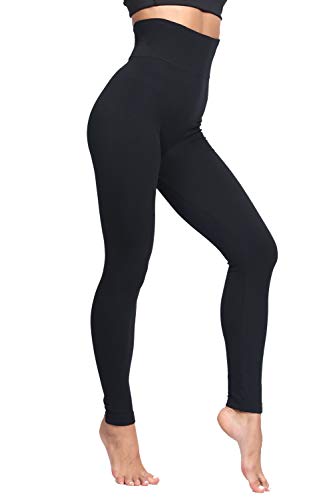
FLEECE LINED LEEGINGS WOMEN:The winter warm Tights Design with new fleece lined inner layer, it ensures natural warmth while free of tight, also provide maximum comfort for yoga exercise and daily life.
How Tailoring Transforms a Winter Wardrobe on a Budget
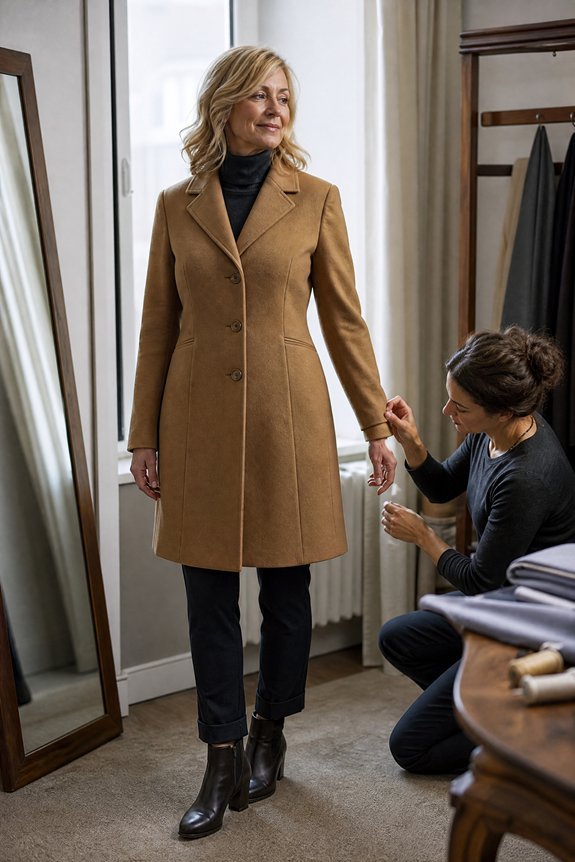
Those four pieces we just talked about buying? They’ll look twice as good with one smart move: tailoring. We overlook this constantly, and it’s a mistake.
A blazer that pulls across the shoulders, trousers that puddle at your ankles, a coat sleeve that swallows your hand — these aren’t wardrobe failures, they’re just unfitted garments. Sleeve reshaping alone can transform a thrifted coat into something that looks custom.
Many community centers now offer alteration workshops, often cheap or free. Spend fifty dollars on tailoring before spending two hundred on something new. The fit does more work than the fabric ever will.
Secondhand and Vintage Finds That Fill the Gaps Well
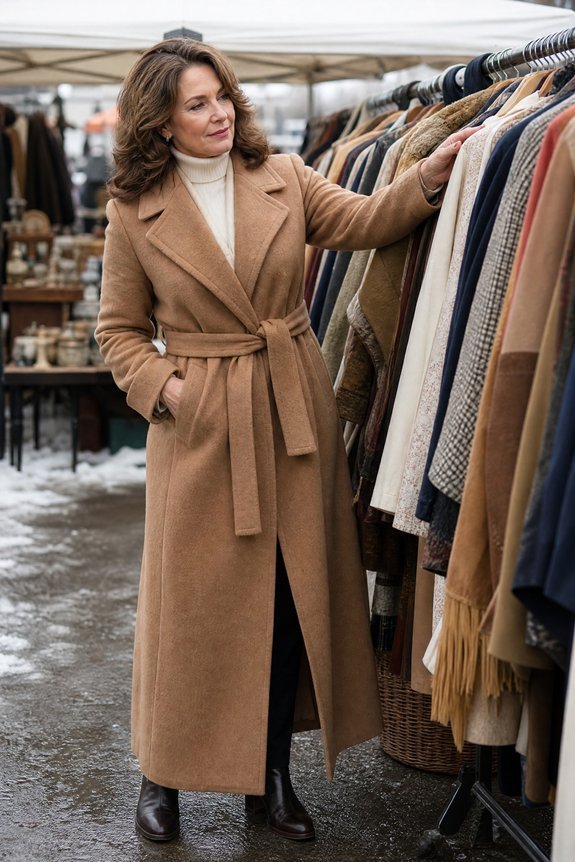
Thrifting has quietly become one of the smartest moves we can make when filling out a winter wardrobe after fifty.
Secondhand shops carry what we actually need:
- Retro outerwear with real structure and weight
- Statement scarves in luxurious fabrics we’d never pay full price for
- Wool blazers that tailors can easily adjust
- Quality leather boots that have already broken in
We’re not hunting bargains out of desperation. We’re editing strategically.
Vintage pieces often outlast fast fashion by decades, and they carry a character that newer items simply can’t manufacture.

Premium Fabric: Wool Blend for Ultimate Comfort - Crafted from a premium blend of 75% Polyester and 25% Wool, this sport coat provides warmth and comfort while maintaining breathability. Perfect for fall and winter, this blazer ensures you stay comfortable and stylish throughout the day

Premium Fabric: Wool Blend for Ultimate Comfort - Crafted from a premium blend of 75% Polyester and 25% Wool, this sport coat provides warmth and comfort while maintaining breathability. Perfect for fall and winter, this blazer ensures you stay comfortable and stylish throughout the day

Material: Crafted from a herringbone tweed blend of 75% polyester and 25% wool, this fabric is noticeably lighter than pure wool. It resists pilling, holds its shape, and stands up to regular wear without losing its crisp look
Outfit Formulas That Make Getting Dressed Easier
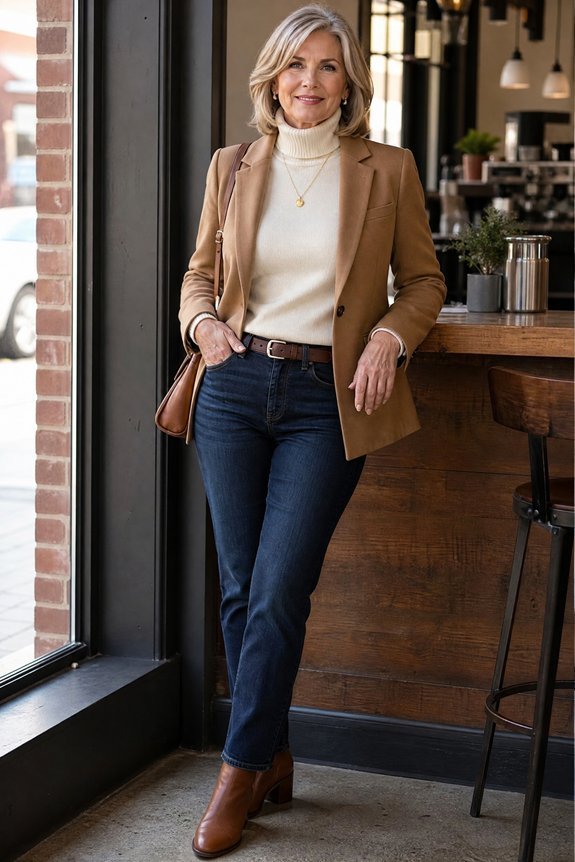
Once we’ve gathered the right pieces—whether from a boutique or a thrift rack—the real work begins: actually getting dressed on a Tuesday morning when it’s dark at 6 a.m. and we’ve twelve minutes. That’s where outfit formulas save us.
Think of them as reliable equations: dark trousers plus a textured top plus one anchor piece, like a camel coat. Your seasonal capsule works best when color pairing is already decided—navy with cream, burgundy with grey. No guessing.
We’re not stylists; we’re busy. Build three formulas, repeat them confidently, and Tuesday mornings become almost manageable.
How to Stop Over-Buying and Still Look Put-Together
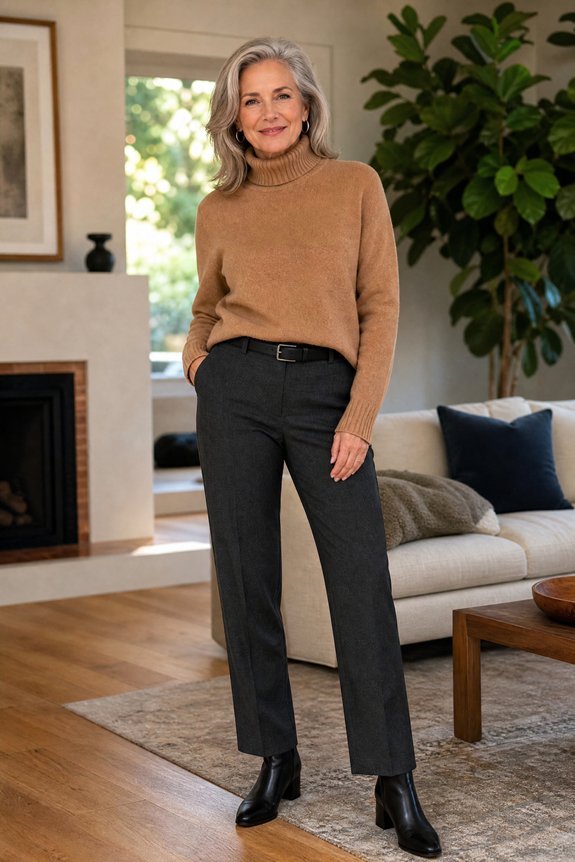
We panic-buy three sweaters we don’t need because they’re on sale and the mannequin looked confident.
Seasonal impulse is real, and closet trends trick us constantly. Before you shop, try this:
- Audit what you own first
- Identify one specific gap, not five
- Shop with a written list, not a mood
- Wait 48 hours before buying anything non-essential
We stop over-buying when we get honest about what’s already hanging there, unworn.
A put-together look isn’t about volume. It’s about intention. Less really does work harder when everything earns its place.
Caring for Winter Clothes So They Last for Years
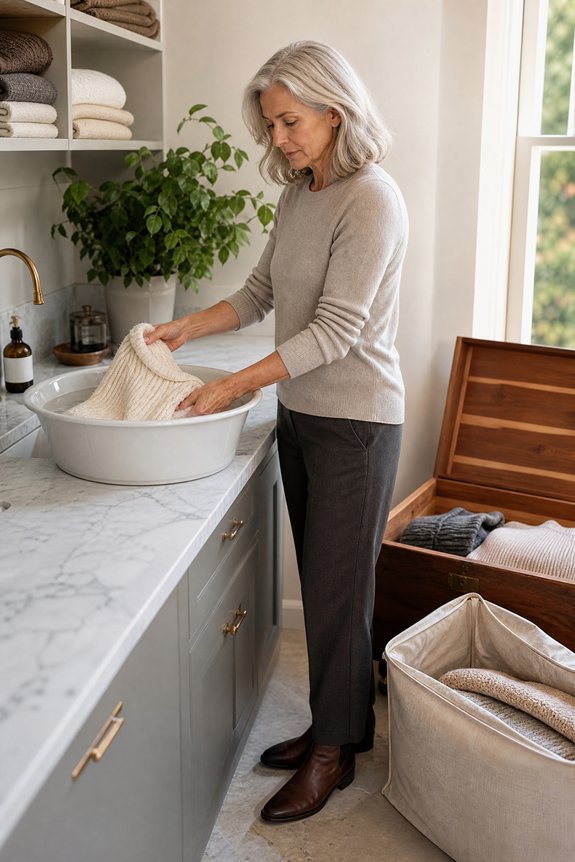
Most of us treat winter clothes like they’ll survive anything—toss the cashmere in a hot wash, hang the wool coat on a hook all season, and wonder why everything pills, stretches, or smells faintly suspicious by February.
Small habits make a real difference. Practice fabric rotation so your heaviest pieces rest between wears, preventing breakdown. Store knitwear folded, never hung. For moth prevention, use cedar blocks instead of mothballs—your future self will appreciate not smelling like a grandparent’s closet.
Spot-clean when possible, wash less often, and let things air out. Fewer washes means longer life. Simple, but we forget.
Conclusion
We don’t need a new wardrobe every season — we need the right pieces, cared for well. Start with what you own, fill the real gaps, and build three outfits that actually work. Like a good coat that fits perfectly, a thoughtful wardrobe just does its job without drama. Buy less, choose better, and get dressed with confidence. That’s the whole strategy, and it’s simpler than any shopping cart suggests.