
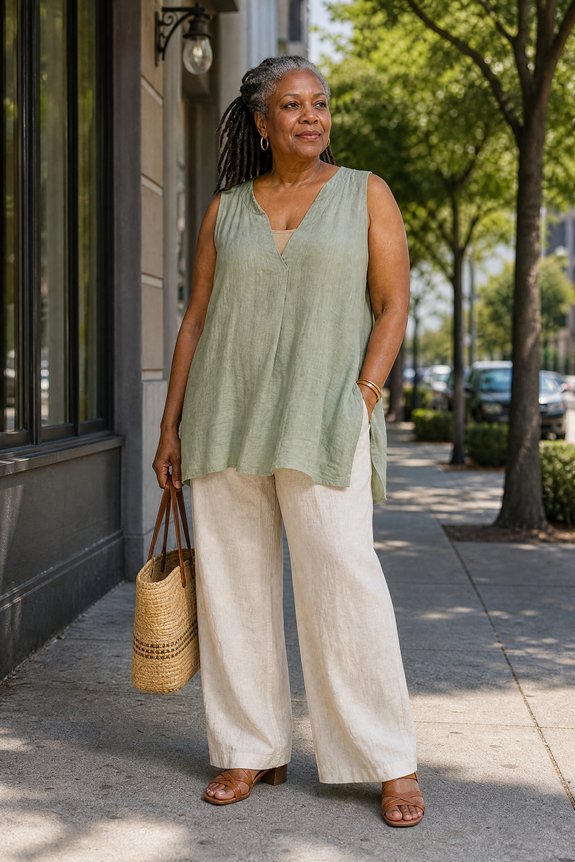
The Best Breathable Fabrics for Women Over 50 Who Run Hot
If you’ve started sleeping with the window cracked in January, you already know something’s shifted. Hot flashes, hormonal changes, and a metabolism that runs its own thermostat now mean your old wardrobe can feel like punishment. We’ve all grabbed a cotton tee thinking it would help, only to feel damp and frustrated an hour later. The right fabrics can genuinely change that—and we’re going to show you exactly which ones work.
Key Takeaways
- Hormonal changes during menopause disrupt the body’s thermostat, making breathable, moisture-managing fabrics especially important for women over 50.
- Linen absorbs and releases moisture faster than cotton, with loose weaves allowing real airflow against the skin.
- Technical polyester wicks sweat away quickly and dries rapidly, making it ideal for active or high-heat situations.
- Merino wool regulates temperature, buffers moisture, and controls odor, performing well across both indoor and outdoor environments.
- Avoid tight synthetics and dense weaves that trap heat; favor lightweight, open-weave constructions and removable layers instead.
Why Women Over 50 Run Hotter Than They Used To
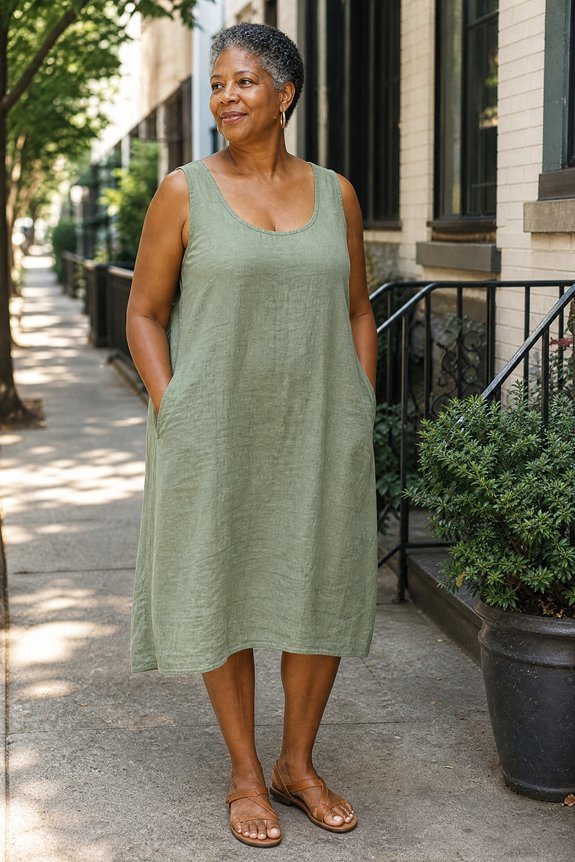
One day you’re perfectly comfortable in a cozy sweater, and the next you’re peeling off layers at 2 a.m. wondering why your bedroom suddenly feels like a sauna. You’re not imagining it. Hormonal shifts during perimenopause and menopause reduce estrogen, which disrupts your body’s internal thermostat. Your brain misreads your core temperature and triggers a heat response, even when the room is perfectly cool.
Vascular changes also cause blood vessels to dilate rapidly, flooding your skin with warmth. We’ve all been there, suddenly flushed at a dinner table for no obvious reason. Understanding why it happens helps us dress smarter for it.
What “Breathable Fabric” Actually Means
So now that we appreciate why our bodies are staging these little mutinies, let’s talk about what actually helps. “Breathable” gets printed on tags and tossed around in marketing copy, but it means something specific. A truly breathable fabric lets air move through its structure, pulling heat and moisture vapor away from your skin.
That’s airflow dynamics at work. There are actually two parts: absorption, where fibers soak up sweat, and wicking, where moisture travels outward to evaporate. Both affect thermal comfort differently. Fabrics like linen and cotton-linen blends are prized for how well they wick moisture away, while bamboo-modal leans more toward soft absorption against the skin. Knowing which one a fabric does well helps you shop smarter, not just prettier.
Weave, Weight, and Fit Matter as Much as the Fiber
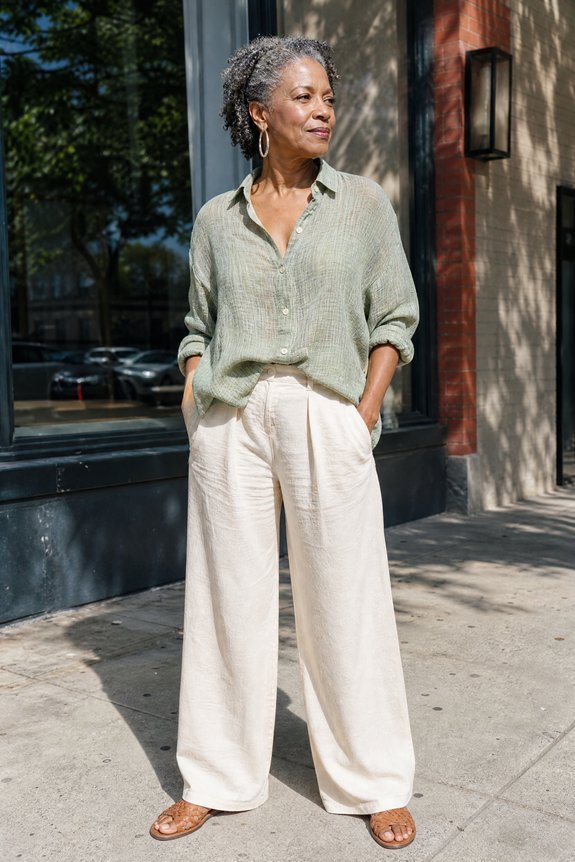
Fiber type is only half the equation. Construction does the rest. We’ve all grabbed a cotton tee expecting relief, only to feel damp and trapped an hour later. Here’s what actually controls comfort:
- Loose weaves allow airflow that tight ones block entirely.
- Lightweight fabrics release heat faster than heavy ones.
- Sleeve length affects ventilation more than most of us realize.
- Layering strategies work best when your base layer breathes independently.
This mirrors the broader fit-over-size principle, where stretch and shape retention matter more than size when selecting fabrics that keep you cool and comfortable.
Choose construction deliberately. A loosely woven linen beats a dense “breathable” synthetic every single time.
The Top Breathable Fabrics for Women Who Run Hot
Not every fabric earns its place in a hot woman’s wardrobe, but a few genuinely do.
Linen tops our list for all-day wear because it absorbs moisture quickly and releases it faster than cotton ever will.
Technical polyester wins for movement, wicking sweat away and drying before you notice it’s there.
Merino wool surprises most people, buffering moisture without that cold, clammy feeling.
We’d also consider open-weave blends, especially when airflow patterns shift indoors versus outside.
For those craving softness without the heat, cashmere alternatives like bamboo blends offer the same luxurious feel while staying far more breathable.
Smart layering strategies start with these fabrics as your base. Choose wisely, and comfort stops feeling like a compromise.

100% Superfine MERINO WOOL 180GSM. Available in Men's Sizes: S to XXL; Machine washable and shrink resistant.

Ultra-Soft 17.5µm Merino Wool: Crafted from a 66% Merino Wool and 34% Nylon blend with ultra-fine 17.5 micron fibers, this ultra lightweight short sleeve shirt feels exceptionally soft and smooth against the skin. Machine wash cold / Free laundry bag included.
Linen: The Best Breathable Fabric for Hot Days
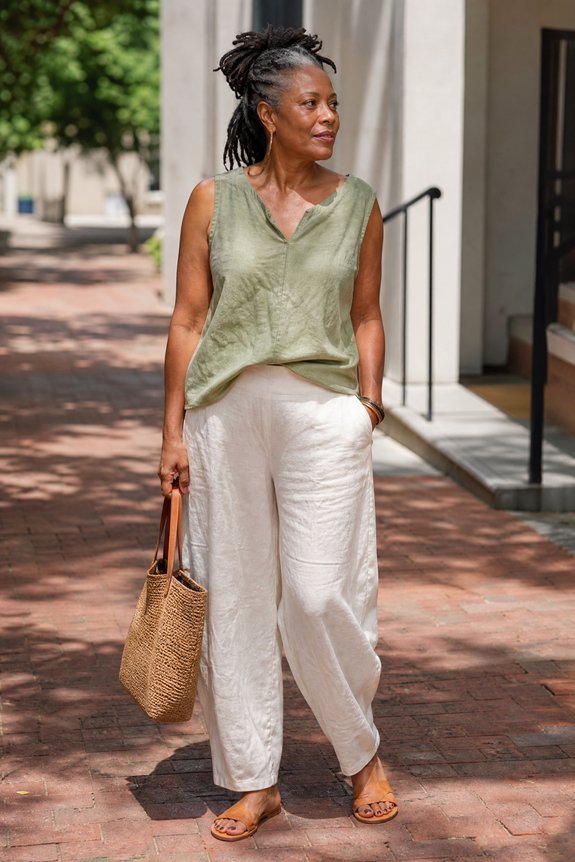
Linen holds up better in heat than almost anything else we’ve tried, and that’s not an accident. Breathable linen absorbs moisture quickly, then releases it just as fast, so you stay noticeably drier. Here’s why linen summerwear earns its reputation:
- Fibers absorb sweat without clinging
- Moisture releases quickly into the air
- Loose weaves allow real airflow
- Lightweight construction keeps heat from building up
You’ll feel the difference within an hour of wearing it. It wrinkles, yes, but honestly, that’s the smallest trade-off you’ll ever make on a sweltering afternoon. When building out a seasonal capsule wardrobe, linen pieces are worth prioritizing since they mix easily with other essentials while keeping you cool all season long.

Features: High neck, button down decorative on the back, sleeveless crop tank tops

Quality Cotton Button Down Shirts - Crafted from pure cotton with natural crinkle linen texture, sophisticated, breathable, durable, light and airy picks for summer,early fall and spring, offering an ultimate comfortable wearing experience.

【COMFORTABLE FABRIC】: This women's casual button up shirt is made of high quality 100% cotton fabric. Skin-friendly, lightweight and breathable, neutral linen texture, perfect for hot summer.
Merino Wool: A Breathable Natural Option for Women Who Run Hot
Most of us hear “wool” and immediately picture itchy sweaters and overheated afternoons, but merino wool works differently. It’s fine, soft, and genuinely useful for temperature regulation because it absorbs moisture vapor before sweat even forms on your skin.
You stay drier longer, which means fewer awkward moments mid-errand. It also handles odor control better than most synthetics, so you can wear a piece longer between washes. Merino isn’t your fastest-drying option, but it buffers heat and humidity in a way cotton simply can’t. For women who run hot, that quiet, steady comfort is worth knowing about.
When Synthetic Fabrics Work Better for Women Who Run Hot
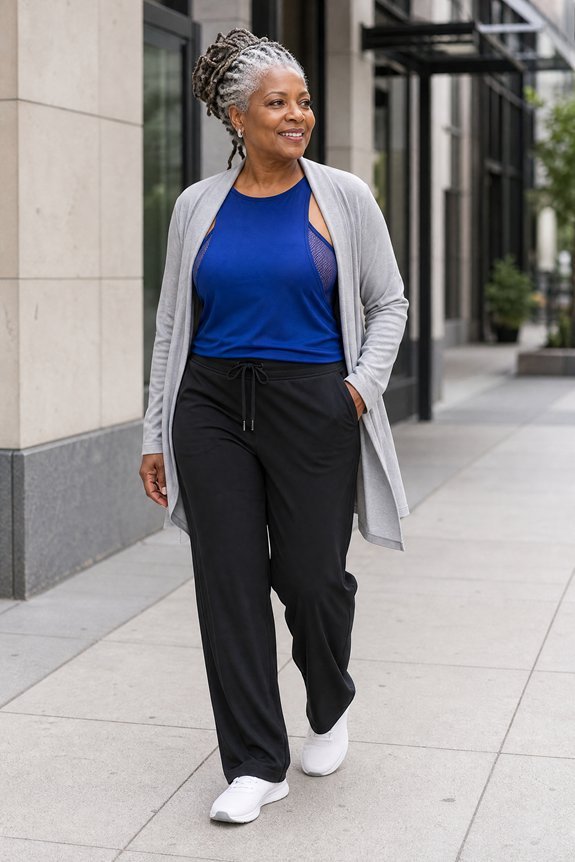
Synthetics get a bad reputation, and honestly, some of it’s deserved—nobody wants to wear a stiff polyester blouse in July and feel like they’re wrapped in a plastic bag. But engineered synthetics are different.
Here’s when they actually win:
- During workouts, moisture wicking treatments pull sweat away fast.
- Stretch mesh panels improve airflow where you need it most.
- Fabrics dry faster than cotton after heavy sweating.
- Lightweight constructions won’t weigh you down mid-activity.
We’re not ditching natural fibers entirely—we’re just choosing smarter tools for the right moments.
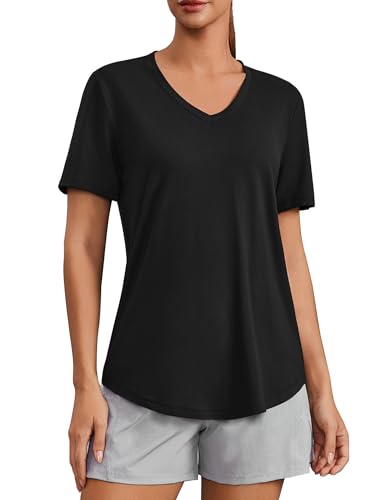
Designed for workouts and daily wear. [Classic Fit, Hip Length]

ATHLETIC PERFORMANCE WEAR: These Womens athletic shirts help dissipate heat quickly and offer more breathability while being gentle on your skin. We use a 4-Way Stretch Fabric that allows you to move seamlessly making sure you stay comfortable through any activity

Lightweight Stretchy Performance Fabric: Crafted from 95% polyester and 5% spandex, these workout shirts features a soft, skin-friendly, breathable and non-see through fit with 4-way stretch. Whether you're hitting the gym, running, doing yoga, hiking, or just enjoying casual wear, it is your perfect go-to activewear choice.
Does Rayon Actually Keep You Cool?
Rayon sounds promising on paper—it’s soft, it drapes beautifully, and the tag says it breathes. But dense rayon traps moisture right against your skin, leaving you damp and warm. We’ve all been fooled. The real variable is construction, not fiber alone.
| Factor | What It Means for You |
|---|---|
| Dense weave | Holds heat, slows drying |
| Rayon blends | Improve breathability and shape |
Look for rayon blends with linen or polyester, and check for cooling finishes. Lightweight, loosely woven rayon? Actually decent. Heavy, tight rayon? Skip it entirely.
What to Avoid If You Run Hot
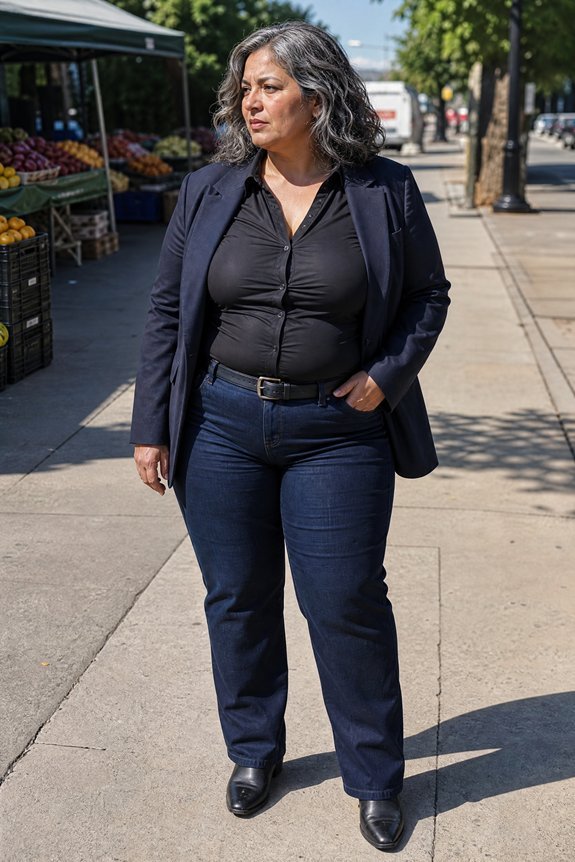
Skip these:
- Tight synthetics that trap heat against your skin
- Dense rayon in heavy, close-knit constructions
- Non-ventilated polyester that blocks airflow entirely
- Thick, heavy cotton that holds moisture and never dries
We’d say avoid polyester altogether, but construction matters. Stick with lightweight, open weaves, and your body will regulate itself far more comfortably.
How to Stock Your Closet When You Run Hot
Now that you know what to skip, let’s talk about what to actually put in your closet. Start with closet essentials: a few linen tops, one or two merino wool pieces, and lightweight technical knits you can move in. These do the real work.
For layering strategies, think thin and removable—a loose open-weave cardigan over a wicking tank, not a thick sweater you’ll regret by noon. We all know that trapped heat compounds fast. Build around lightweight, breathable construction first, then add color and style. Your closet should cool you down, not fight against you.
Conclusion
Running hot doesn’t have to mean suffering through every outfit. You’ve got options—linen that breathes on humid afternoons, merino that regulates on unpredictable days, and technical fabrics that keep pace when you’re moving. Avoid the trap of heavy fabrics, tight fits, and synthetic blends that trap heat. Choose light weights, loose cuts, and smart layering. We’re not fighting our bodies here—we’re just finally dressing for them.